
Published: 10 December 2025
TL;DR:
Learn how to turn everyday play and routines into Early Years maths activities for 4–5-year-olds, covering counting, shape and measure with clear examples and simple follow-up worksheets.
Early Years maths activities work best when you weave them into play and daily routines. You teach counting, shape and measure by talking, playing and noticing maths in real situations, then add short, simple written tasks when your child is ready.
Your child lines up toy cars. They pour juice into a cup. They build a tall tower and laugh when it falls. Each of these moments is full of maths if you know what to say and what to notice.
Early Years Maths Through Play: Why Everyday Moments Matter
When you turn everyday play into maths talk, you give your child a strong base for later learning. You do not need special equipment. You use what is already around you and add simple Early Years maths activities.
This post guides you as a parent, carer or teacher to use ordinary play with 4–5-year-olds in Reception to build:
- counting and number sense
- shape and space understanding
- early ideas of measure and comparison
These match EYFS numeracy through play goals in the Primary National Curriculum. Children learn to:
- count objects and say how many altogether
- notice patterns and simple number facts
- talk about size, quantity and position
- use words like more, fewer, longer, shorter, behind, between
You start with playful maths games for preschoolers. Then you add short, ready-to-print worksheets and workbooks, such as TMKed resources, to bridge into more formal numeracy when your child is ready.
What Does Early Years Maths Learning Look Like at Ages 4–5?
At 4–5 years old your child learns maths best through hands-on play, talk and repetition. They need to move, touch, count and build instead of sitting with long written tasks.
By Reception age many children are starting to:
- count objects with one touch for each number (1:1 counting)
- say and recognise numbers to at least 10 and often to 20
- work out simple add and take away in play, like “two more cars”
- name common shapes such as circle, square, triangle, rectangle
- compare length, height and weight using simple words
Mathematical language matters as much as the numbers. You help when you use words like:
- more, fewer, the same
- longer, shorter, taller
- heavier, lighter
- in front, behind, next to, between, under, over
You do not need fancy toys. Strong Early Years maths activities often use:
- blocks, cars, teddies, dolls
- cups, spoons, boxes, pegs
- stones, sticks, leaves outside
In each of the next sections you get simple games, example phrases and ideas for follow-up worksheets from early years learning resources such as TMKed.
How Can You Build Counting Skills Through Everyday Play?
You build counting skills by helping your child match one number word to one object, say numbers in the right order and know that the last number they say tells how many there are altogether.
When you count in real situations your child learns that numbers mean quantity, not just a song. Simple everyday maths activities for 4 year olds and 5 year olds can fit into tidying, snack time and outdoor play.
What simple counting games for 4–5-year-olds can you try?
These Early Years maths activities fit straight into your day and need no special kit.
- Tidy-up count: “Let’s put 10 bricks in the basket.” Count together as you pick them up. Stop and check if you have 10.
- Snack maths: Count grapes, crackers or carrot sticks. Share them between plates or teddies. Ask “Do we have the same number?”
- Step counting: Count steps up the stairs, jumps in the garden or hops between cushions. Start at 1 each time.
- Toy line-ups: Line up cars or dinosaurs. Count from left to right then right to left so your child sees the order stays the same.
What language prompts help during counting play?
The words you choose help your child understand what the numbers mean.
- Model careful counting: “Let’s touch each one as we say the number. 1, 2, 3…”
- Reinforce how many: “We counted 5 blocks. How many blocks do we have altogether? Yes, 5.”
- Compare amounts: “Who has more? Who has fewer? Do we have the same number?”
- Encourage prediction: “We have 3 teddies now. If one more joins, how many will we have?”
How do worksheets bridge play and formal numeracy?
Short, simple worksheets after play help children link real objects to written numbers. They should feel like a quick game, not a test.
- Use dot-to-dot or picture-counting sheets with cars, fruit or animals that match your play.
- Try “count and match” or “circle the correct number” to fix the link between counting and numerals.
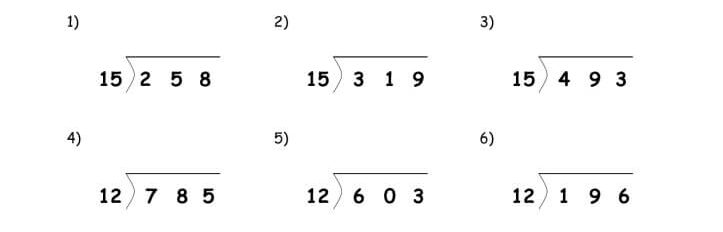
- Pick TMKed counting worksheets for 0–10 or 0–20, count-and-colour worksheets and early addition linked to everyday maths for children.
- Keep practice short. Aim for 5–10 minutes after play and stop while your child still feels successful.
How Do Early Years maths activities Explore Shape and Space During Playtime?
You can teach shape and space by letting children build, draw and move, then adding simple shape names and positional words. You want them to spot and name 2D and 3D shapes and talk about where things are.
View Time, Shape and Space Worksheets
View Shape, Measures and Fractions Workbook (5-7 years)
When you link this to play, your child sees that shape is part of the real world, not only pictures in a book.
What shape-based play ideas use everyday objects?
These maths games for preschoolers use items you already have.
- Shape treasure hunt: Look for circles, squares, triangles and rectangles around the home or classroom. “The clock is a circle. The window is a rectangle.”
- Building with blocks or boxes: Make towers, bridges and houses. Use words like cube, cylinder and pyramid if they fit the toys.
- Shape pictures: Cut out paper shapes or use sticky notes. Make a house from rectangles and triangles or a robot from squares and circles.
- Outdoor chalk shapes: Draw big shapes on the ground. Call “Jump to the circle” or “Stand on the triangle.”
What positional language prompts fit everyday routines?
Positional words make sense when you use them while your child moves and plays.
- During tidy-up: “Put the books on the shelf, the teddy under the bed, the car next to the box.”
- During small-world play: “The car is going through the tunnel. Now it is behind the bus.”
- During story time: “Who is in front of the dragon? Who is behind the tree?”
- Ask your child to give instructions: “Can you tell me where to put the cup?” then support words like between or beside.
How do shape and space worksheets support this learning?
Shape and space worksheets work best when they match the shapes and toys your child has just used.
- Use shape-sorting worksheets where children match pictures to shape outlines or circle all the circles or triangles.
- Try simple mazes or “follow the path” activities that use words like over, under and around.
- Choose TMKed shape recognition worksheets, cut-and-stick shape pictures and simple map-style position tasks.
- Link the pictures to your play, such as the same blocks or toy cars, so children see how paper maths connects to real life.
How Can You Weave Measuring and Comparing into Daily Life?
In the early years measure means comparing, not reading exact numbers on a scale. You want children to use words like longer, shorter, heavier, lighter, full and empty.
Cooking, water play and building are strong chances to add Early Years maths activities about measure without extra work.
What practical measuring games work at home or in a setting?
Try these simple activities for kids age 4 and 5.
Related: Measuring Worksheets
- Water play: Use different containers. Talk about full, half full, empty, more and less as your child pours.
- Cooking together: Count spoonfuls, compare cup sizes and talk about “a little” and “a lot” when you add ingredients.
- Length comparisons: Use string, ribbons or blocks to see which is longer or shorter. Line up shoes or pencils by size.
- Weight exploration: Hold two objects in your hands to feel which is heavier or lighter. Use simple balance scales if you have them.
What language prompts support measure and comparison?
Clear questions turn simple actions into maths thinking.
- Ask “Which tower is taller? Which one is shorter?” when building.
- Point out “This jug has more water. That one has less.”
- Encourage estimation: “Do you think this box will be heavier or lighter than your book? Let’s test it.”
- Use order words: “First, next, last” when you arrange items by size or capacity.
How do measure-focused worksheets help later learning?
Measure worksheets should be clear, visual and linked to real experiences. They prepare children for Key Stage 1 work on length, mass and capacity.
- Use cut-and-order sheets where children place pictures from small to big or short to tall.
- Try “more or less” picture pages where children circle the container with more or less water.
- Pick TMKed early measurement worksheets that compare length, height and capacity with familiar images like cups or towers.
- Keep tasks brief so they reinforce the words you used during play rather than replace the play.
How Can Adults Support Early Years Maths Through Talk and Routine?
You support EYFS maths best when you notice maths moments, model clear language and ask gentle questions. You do not need to turn every game into a test.
Children need a mix of child-led play and small prompts from you. You follow their interests and add maths to what they already enjoy.
What are easy ways to embed maths into daily routines?
You can teach maths through play in the early years by adding counting and comparing to normal tasks.
- Morning routines: Count socks or steps. Compare which cup is fuller or who has more cereal.
- Out and about: Read door numbers, count buses, spot shapes in road signs and buildings.
- Story and song time: Pick books and rhymes with numbers and patterns. Pause to count items in pictures.
- Transitions: Use quick counting games to line up, put away toys or get ready to go out.
What teaching tips help parents, carers and teachers?
These simple habits keep Early Years maths activities fun and effective.
- Keep it playful: Follow your child’s interests, such as cars, dinosaurs or baking, and weave maths into that context.
- Use mistakes as learning chances: If your child miscounts, count again together and model the right way without blame.
- Praise effort and thinking: Say “You looked carefully and noticed that tower was taller. Great noticing.”
- Link play to resources: Use curriculum-matched TMK Education worksheets to support what children already explore and to plan lessons or home packs.
FAQs: Common Questions About Early Years Maths Activities
How much time should I spend on Early Years maths activities each day?
You do not need long blocks of time. Aim to weave short maths chats into daily routines, such as 2–3 minutes at snack time, in the bath or on a walk, plus a few 5–10 minute play or worksheet times across the week.
What if my child does not enjoy worksheets?
You can support EYFS maths at home without worksheets all the time. Focus on play, talk and real objects. Use worksheets only now and then, choose ones with clear pictures and stop if your child shows tiredness or stress.
How do I know if an activity is too easy or too hard for a 4–5-year-old?
If your child finishes very quickly and seems bored, make it a little harder, such as counting higher or adding one more step. If they get stuck on every step, reduce the numbers or give more support, such as counting together.
Can I support Early Years maths if I do not feel confident with maths?
Yes. You only need to count carefully, use simple maths words and be willing to talk with your child. You can use Early Years learning resources like TMK Education to guide you with clear steps.
What simple resources should I have for maths play?
Useful items include:
- blocks or building bricks
- small toys to count and sort
- plastic cups and spoons
- paper shapes and crayons
- containers for water and sand
How do TMKed worksheets link to the Early Years and Key Stage 1 curriculum?
TMKed worksheets match EYFS and early Key Stage 1 aims such as counting to 20, comparing amounts, naming shapes and using simple addition and subtraction. They use clear images and short tasks that build on play.
When should I move from play-based maths to more formal written work?
Reception children still need most maths to happen through play. You can add short written tasks when your child can focus for 5–10 minutes, follow simple instructions and shows interest in numbers or symbols on paper.
Conclusion: What Are Your Next Steps for Supporting Early Years Maths Through Play?
Everyday routines and play give you rich chances to teach counting, shape and measure. When you talk about numbers and size as you go, you build strong Early Years maths skills.
Small, steady maths conversations and games grow your child’s confidence for later Key Stage 1 and Key Stage 2 learning. You do not need long lessons, just regular practice woven into real life.
As a next step, pick:
- one counting idea
- one shape or space idea
- one measure idea
Try them this week, then add a short matching worksheet to link play to paper. Explore TMK Education printable Early Years maths activities and workbooks to save planning time and support curriculum-based practice.
You can also share your favourite games and successes with other adults. Together you build a culture where maths feels playful, normal and part of everyday life.
Frequently asked questions
Early Years Maths Through Play: Why Everyday Moments Matter When you turn everyday play into maths talk, you give your child a strong base for later learning. You do not need special equipment. You use what is already around you and add simple Early Years maths activities. This post guides you as a parent, carer or teacher to use ordinary play with 4–5-year-olds in Reception to build: counting and number sense shape and space understanding early ideas of measure and comparison These match EYFS numeracy through play goals in the UK curriculum. Children learn to: count objects and say how many altogether notice patterns and simple number facts talk about size, quantity and position use words like more, fewer, longer, shorter, behind, between You start with playful maths games for preschoolers. Then you add short, ready-to-print worksheets and workbooks, such as TMK Education resources, to bridge into more formal numeracy when your child is ready. What Does Early Years Maths Learning Look Like at Ages 4–5?
At 4–5 years old your child learns maths best through hands-on play, talk and repetition. They need to move, touch, count and build instead of sitting with long written tasks.
How Can You Build Counting Skills Through Everyday Play?
You build counting skills by helping your child match one number word to one object, say numbers in the right order and know that the last number they say tells how many there are altogether.
What simple counting games for 4–5-year-olds can you try?
These Early Years maths activities fit straight into your day and need no special kit.
What language prompts help during counting play?
The words you choose help your child understand what the numbers mean.
How do worksheets bridge play and formal numeracy?
Short, simple worksheets after play help children link real objects to written numbers. They should feel like a quick game, not a test.
How Do Early Years maths activities Explore Shape and Space During Playtime?
You teach shape and space by letting children build, draw and move, then adding simple shape names and positional words. You want them to spot and name 2D and 3D shapes and talk about where things are.
Related: Number, Fractions, Decimals & Percentages, Workbook 1 (9-11 Years)
What shape-based play ideas use everyday objects?
These maths games for preschoolers use items you already have.
Sources and references
Sources will be added here. Edit this post to add references and citations.