
Published: 5 March 2026
TL;DR:
Turn your existing maths worksheets into fast, low-prep games like bingo, scavenger hunts and relays that boost fluency and confidence for EYFS, KS1 and KS2 without extra planning.
You can turn almost any maths worksheet into a quick game just by changing how children answer the questions. The questions stay the same. The layout stays the same. But the way you use the worksheet changes. Simple formats like bingo, scavenger hunts and relay races use the worksheet as the base, so you get extra practice without extra planning.
You already have piles of worksheets. The children know the format and probably switch off a bit when they see another one. With a few tiny tweaks, those same maths worksheets can become low-prep maths activities and games that feel new, active and playful.
Activities and games for learning and creativity: how can maths games with worksheets help you?
Maths games with worksheets let you turn normal practice into something more active and engaging, without writing a whole new lesson. You use what you already have, including TMKed printable worksheets and maths workbooks, in a different way.
Related: How does play help children understand numbers and counting?
Instead of “do this sheet quietly”, you turn it into quick numeracy games for primary children that build confidence and fluency. You don’t need fancy kit. Just printed worksheets, pencils, scrap paper and simple items like counters or mini whiteboards.
Why use maths games with worksheets instead of creating new activities?
Maths games with worksheets save you planning time because you reuse work you already trust. You change the activity, not the questions, so everything still links to the Primary National Curriculum for number, calculation, place value and problem solving.
Children get more engaged and more confident because they see similar question types again and again, but in a fun format. That repetition matters. Repetition here means answering the same kind of question several times so the method starts to feel automatic and less stressful.
These games fit easily into different parts of your week:
- Whole-class lessons
- Small group interventions
- Homework or tutoring sessions
- After-school clubs and home learning
How do you turn any maths worksheet into a simple game?
You keep the maths worksheet questions the same and change how children move, talk and think while they answer. The content still links clearly to your learning goal, you’re just wrapping it in a game.
Related: Early Years maths activities: how to turn play into learning
Use this quick process:
- Choose your worksheet, for example number bonds, times tables or word problems.
- Decide your focus: speed, accuracy, reasoning or teamwork.
- Pick a game format that fits that focus, such as bingo for speed or a relay for teamwork.
Reasoning in maths means explaining how you know an answer is correct, not just giving the final number. You can build this in by asking children to write or say a short reason for some questions during the game, even if it’s only one sentence like “I knew 7 × 8 because I doubled 7 × 4”.
To differentiate for EYFS, KS1 and KS2 you keep the game rules but change the sheet difficulty, time limits or support. For example, you might give number lines or hundred squares to younger children, or remove time pressure for pupils who find speed stressful.
What low-prep maths games can you play using only worksheets?
You can treat these as reusable game templates. Each template works with many types of numeracy worksheet: number facts, place value, fractions or word problems. You just swap in a new TMKed worksheet and the game feels different, even though the rules stay the same.
Bingo: how can you turn a worksheet into a quick-fire maths game?
Worksheet bingo is a fast way to build recall and listening skills. Children use answers from the worksheet to make their own bingo boards, so they’ve already seen and worked with the numbers before the game starts.
Basic setup:
Related: How can I structure KS2 maths practice to boost maths confidence before SATs?
- Children solve the worksheet or a set of questions.
- They choose 9 answers and write them in a 3×3 grid.
- You call out questions in random order.
- If a child has the matching answer, they cross it off.
Example grid (KS1 addition)

  7 | 10 | 5
 ---+----+---
  9 | 12 | 6
 ---+----+---
  4 | 8  | 3
For EYFS and KS1 you can use number recognition, simple addition or counting objects. For KS2 you can use times tables, fraction questions or short multi-step problems. You can return to this bingo format with many TMKed worksheets across the term so children get used to the routine but not bored with the content.
Scavenger hunt: how can you get children moving while practising maths?
A maths worksheet scavenger hunt turns static questions into a movement game. Instead of sitting still, children move around, search for questions or answers and then record their work.
Steps:
- Cut the worksheet into single questions or write them on cards.
- Stick them around the classroom or home.
- Give each child or pair a recording sheet.
- Children move, find a card, solve it and write the answer.
You can use colour codes for different levels, timed challenges or even take the cards outside. This game supports problem solving, which here means choosing a method, carrying it out and checking if the answer makes sense in the context of the question.
Relay race: how can you turn practice questions into a team challenge?
A relay race turns one worksheet into a shared team task. Each child answers one question then passes the sheet on, so everyone has a clear part to play.
Related: How can I build my child’s confidence in learning using worksheets?
Simple rules:
- Split the class into teams of 3 or 4.
- Give each team one worksheet.
- Child 1 answers question 1 then passes to child 2.
- Teams check each answer. If it is wrong they correct it before moving on.
For EYFS and KS1 use counting, number bonds or simple addition. For KS2 use multi-step calculations or word problems. This works well for revision or KS2 maths games classroom sessions where you want talk, checking and teamwork, not just silent working.
Other quick formats: what are some ultra-fast maths games with worksheets?
Here are three more low-prep numeracy games for primary teachers that use only printed worksheets.
- Beat the clock: children answer as many questions as they can in 2 minutes, then repeat later in the week to see progress. You can track scores or just ask them to notice what felt easier.
- Maths pair swap: partners each do half a worksheet, swap sheets and act as the teacher to check and explain any changes. This pushes them to explain methods, not just spot errors.
- Roll and solve: number the rows 1 to 6, roll a die and answer a question from that row. Simple, random and quick to set up.
You can use these with TMKed worksheets on times tables, fractions, place value or written methods to keep practice varied without changing your planning every time.
How can you adapt maths games with worksheets for different ages and needs?
You use the same game but change the maths and the level of support.
Related: Maths Workbook 1 (8-9 Years)
- EYFS: focus on counting objects, matching numerals and simple shapes using picture-based sheets. Keep rules short and visual.
- KS1 maths activities: use number bonds to 10 and 20, simple addition and subtraction, early multiplication and words like greater than or less than.
- KS2: add fractions, decimals, long multiplication and reasoning questions that ask children to explain their thinking in words or diagrams.
For extra support, give number lines, hundred squares, worked examples or partner work. For extra challenge, add a few extension questions, ask for written explanations or ask children to create one new question of their own based on the sheet. At home, run smaller versions of bingo or scavenger hunts with one child and a parent or tutor so you still keep the game feel.
FAQ: what do teachers and parents ask about maths games with worksheets?
How often should I use games instead of normal worksheet practice?
You can use maths games with worksheets once or twice a week as fun maths starters or as part of a main activity. On other days you can use the same sheets in a normal way, so children see that maths can be both playful and calm.
Can these games work in a small or quiet classroom?
Yes. Choose games with less movement like bingo, pair swap or roll and solve. Set clear voice levels before you start and keep rounds short so things don’t drift.
How do I manage behaviour and noise?
Give short rules, model the game quickly and use simple signals such as a raised hand or a countdown to stop. Praise teams who work together, share answers and stay on task so others see what you want.
What if I have a wide range of abilities?
Use mixed-ability teams, colour-code questions by level or give some children extra visual aids. For confident learners, add challenge questions on the back of the sheet or ask them to be “checkers” who explain corrections, not just mark answers right or wrong.
Do I need special resources?
No. You can use any printable worksheets and workbooks, including TMKed resources, plus pencils and basic classroom items like counters, dice or whiteboards. The main change is how you run the activity, not what you print.
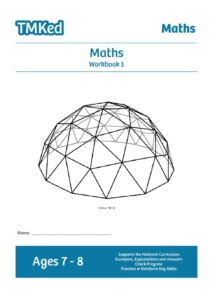
Related: Maths Workbook 1 (7-8 Years)
Conclusion: what are your next steps for using maths games with worksheets?
Low-prep maths activities using worksheets turn everyday practice into active learning for EYFS, KS1 and KS2. Children get more chances to practise, you stay close to the Primary National Curriculum, and you don’t add hours to your planning.
Pick one format, such as bingo, scavenger hunt or relay race, choose a TMKed maths worksheet and try it in your next lesson or home session. Then swap in different worksheets across the term so practice stays fresh, children stay interested and you save planning time every week.
Frequently asked questions
Activities and games for learning and creativity: how can maths games with worksheets help you?
Maths games with worksheets let you turn normal practice into something more active and engaging, without writing a whole new lesson. You use what you already have, including TMKed printable worksheets and workbooks, in a different way.
Why use maths games with worksheets instead of creating new activities?
Maths games with worksheets save you planning time because you reuse work you already trust. You change the activity, not the questions, so everything still links to the Primary National Curriculum for number, calculation, place value and problem solving.
How do you turn any maths worksheet into a simple game?
You keep the worksheet questions the same and change how children move, talk and think while they answer. The content still links clearly to your learning goal, you’re just wrapping it in a game.
What low-prep maths games can you play using only worksheets?
You can treat these as reusable game templates. Each template works with many types of numeracy worksheet: number facts, place value, fractions or word problems. You just swap in a new TMKed worksheet and the game feels different, even though the rules stay the same.
Bingo: how can you turn a worksheet into a quick-fire maths game?
Worksheet bingo is a fast way to build recall and listening skills. Children use answers from the worksheet to make their own bingo boards, so they’ve already seen and worked with the numbers before the game starts.
Scavenger hunt: how can you get children moving while practising maths?
A worksheet scavenger hunt turns static questions into a movement game. Instead of sitting still, children move around, search for questions or answers and then record their work.
Relay race: how can you turn practice questions into a team challenge?
A relay race turns one worksheet into a shared team task. Each child answers one question then passes the sheet on, so everyone has a clear part to play.