
Published: 14 December 2025
TL;DR:
Many parents feel lost with modern primary maths and English methods taught at school. This parent guide to the primary curriculum explains a few of the teaching methods used in school, such as place value, mental strategies, phonics and modelled writing, so you can support homework at home with confidence.
Key takeaways
- Frequently asked questions about supporting the primary curriculum at home
You can get to grips with how your child is taught maths and English in school by learning a few core methods from the Primary National Curriculum. If you understand place value, mental strategies, phonics and modelled writing, you can support and help with primary maths and English at home.
Your child spreads out a worksheet and says, “We do it a different way at school.” Suddenly your old school methods feel useless. This parent guide to the primary curriculum walks you through what teachers do in class so you can stay calm and help with confidence.
Home Learning Success for Non-Teachers: Why do you need a parent guide to the Primary National Curriculum?
You need a parent guide to Primary National Curriculum methods because most adults were taught in very different ways. Many of us learned column sums, guessed spellings and copied stories. Children now see more visual models, use mental steps and meet clear grammar terms on their worksheets.
The aim of this guide is to explain the main modern methods in plain language. You see what teachers look for in maths and English so your help at home matches school. This stops your child feeling stuck between “My teacher says one thing but you say another.”
TMKEd creates ready-to-use Primary National Curriculum worksheets for ages 4 to 11. That includes Early Years Foundation Stage, Key Stage 1 and Key Stage 2. You can choose sheets by year group and topic so home practice follows the same order as school.
This parent guide to primary curriculum learning stays practical. It sticks to place value, mental strategies, modelled writing and key words. You get clear examples you can copy without any teacher training.
What does the Primary National Curriculum expect in maths and English?
The UK primary national curriculum is split into stages that build on each other:
- Early Years (EYFS): Nursery and Reception build early sounds, counting and language.
- Key Stage 1: Years 1 and 2 secure basic number facts, phonics and simple writing.
- Key Stage 2: Years 3 to 6 extend number, fractions, grammar and longer writing.
In maths the curriculum wants strong number sense, clear place value, mental strategies and worded problem solving. Number sense means having a feel for how big numbers are and spotting links like 7 + 3 = 10 so 70 + 30 = 100.
In English it focuses on phonics, reading understanding, spelling, grammar and punctuation, and building confident writing. You do not have to turn into a teacher. You just need to know the main approaches so your home help with primary maths and English fits with classroom methods.
How can parents understand modern primary maths methods at home?
Modern primary maths teaching explains why an answer works as well as how to get it. Children use pictures, objects and mental steps before they move on to formal written methods.
What is place value and how is it taught?
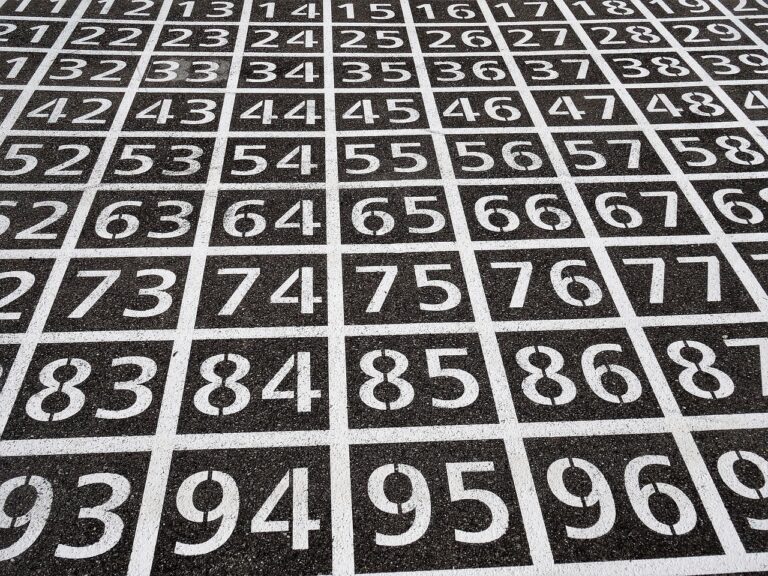
Place value means a digit changes its value depending on where it sits in a number. In 345 the 3 stands for 300, the 4 stands for 40 and the 5 stands for 5.
Teachers often use base 10 blocks, place value charts and number lines. Base 10 blocks are small cubes for ones, rods for tens and flats for hundreds. Children build numbers with them then say the numbers out loud.
345 = 300 + 40 + 5

Hundreds | Tens | Ones
   3     |  4   |  5
At home you can copy this idea with pasta, Lego or straws:
- Make groups of ten and single leftovers.
- Write the number and say “245 is 200 + 40 + 5.”
- Ask “What is the value of the 4 in 245?” and listen for “40.”
- Use our Place Value cards
Number and Place Value Worksheets
What are common mental maths strategies?
Mental strategies are ways to work things out in your head without long written sums. Children learn several and they use these strategies again and again.
Here are a few examples of mental strategies:
- Counting on / back: Start from the larger number and count on or back. For 37 + 5, start at 37 then 38, 39, 40, 41, 42.
- Number bonds: Number bonds are pairs of numbers that add to a set total like 10 or 20. For example 7 and 3 make 10, 12 and 8 make 20.
- Near doubles: Use a known double to help. If you know 6 + 6 = 12 then 6 + 7 is one more, so 13.
- Bridging through 10: Jump to the next ten then add the rest. For 8 + 7: 8 + 2 = 10 then 10 + 5 = 15.
You can practise these in daily life. For example in the car you might ask “We have 7 apples and get 5 more. What is 7 + 5?” Then follow up with “How did you work that out?” Talking through the steps builds reasoning skills, not just quick answers.
How do written methods link to mental strategies?
Children move in small steps:
- Use objects or pictures.
- Use quick jottings like number lines.
- Use formal written methods like column addition or long multiplication.
Try to follow the method shown on the worksheet. If the sheet uses a number line for 46 − 19, stick with that idea instead of jumping straight to the old “borrow and pay back” column method. This keeps the language and layout the same as school, which makes life easier for your child.
How can you use TMKEd maths worksheet at home?
You can pick TMKEd worksheets by year group and topic such as place value, addition or fractions. Look at the example on the sheet and the answer page first so you see the method your child is meant to use. Then sit beside them for the first question and talk through the steps together.
How is reading and writing taught in school and how can you help?
English lessons usually follow a clear pattern, especially for phonics, spelling, grammar and modelled writing. Once you get used to this pattern you can give strong support with English worksheets at home.
What is phonics and why is it important?
Phonics is a way of teaching reading and writing by matching sounds to letters or groups of letters. A phoneme is a single sound in a word. A grapheme is the letter or letters that write that sound.
On worksheets you may see words like:
- Digraph: two letters that make one sound, like “sh” in “ship”.
- Trigraph: three letters that make one sound, like “igh” in “night”.
- Blending: pushing sounds together to read a word, like c-a-t → cat.
- Segmenting: splitting a word into sounds to spell it, like dog → d-o-g.
At home try to say pure sounds, which means you avoid adding “uh” to the end. So say “mmm” not “muh”. Keep practice short and often, maybe 5 minutes a day reading simple words or a short book together.
How does modelled and guided writing work?
Modelled writing is when the teacher writes in front of the class and explains each choice out loud. For example “I will start with ‘Suddenly’ and use an exclamation mark to show surprise.”
Guided writing is the next step. Children write a similar piece while the teacher gives prompts, word banks and sentence starters.
At home you can copy this pattern:
- Say the sentence you want together.
- Think out loud: “I need a capital letter, a verb and a full stop.”
- Write your version as a model.
- Ask your child to write their own sentence on the same idea.
What key vocabulary in the primary English curriculum should parents know?
This short list covers the main grammar words your child meets:
- Noun: a naming word, like “dog” or “park”.
- Verb: an action or being word, like “run” or “is”.
- Adjective: a word that describes a noun, like “blue” or “tall”.
- Adverb: a word that describes a verb, often ending in “-ly”, like “quickly”.
- Conjunction: a joining word, like “and” or “because”.
- Clause: a part of a sentence that has a verb, like “she ran home”.
- Punctuation: marks like full stops, commas, question marks and speech marks.
- Prefix: letters added to the start of a word, like “un” in “unhappy”.
- Suffix: letters added to the end, like “ed” in “jumped”.
Use the same words your child hears at school. TMKEd English worksheets give clear examples so you and your child can check vocabulary and grammatical features, and how to use them together.
Spelling and Punctuation Worksheets
Reading at home: what simple strategies build confidence?
Regular shared reading is one of the strongest ways to support writing and spelling. A simple pattern you can use is:
- Take turns reading a page each.
- Ask quick questions: “Who is in this part?”, “Where are they?”, “Why did that happen?”
- When your child gets stuck, prompt them to:
- Sound out the word using phonics.
- Look at the picture for clues.
- Re-read the sentence from the start.
- Read the sentence and miss out he unknown word, ask your child which word they think should go in the gap.
You can add TMKEd reading worksheets for extra practice that follows the primary national curriculum.
How can you turn worksheets into stress free learning at home?
Worksheets help when they sit inside a calm routine. They cause stress when they appear late at night with no plan.
Try this simple structure:
- Set a regular short learning time, such as 10 to 15 minutes after a snack.
- Use a quiet table with few distractions.
- Read the instructions together.
- Model one example then let your child try the next one alone.
- Praise effort and clear working, not only right answers.
- If your child struggles with the work, it’s ok to work with them on the worksheet together, giving prompts, reminders and help when needed.
TMKEd worksheets can choosen by age, topic and difficulty so each child works at a level that suits them. Ask your child’s teacher which methods and words the class uses. This keeps your home parent guide to primary curriculum practice in line with school.
Frequently asked questions about supporting the primary curriculum at home
How do I pick the right year group worksheets?
Start with your child’s actual year group. If the work is too easy, try the next year for that topic. If it is too hard, step back one year. Keep the same topic so they fill gaps, then move forward again.
What if the method is different from how I learned?
Follow the method on the worksheet even if it feels slower. Ask your child “Can you show me how your teacher does it?” or check school guides and TMKEd examples. Once they are secure you can share your older method as an extra way.
How much extra practice should my child do?
Short daily practice, or a few days a week, works better than long weekly sessions. Aim for 10 to 15 minutes of maths and 10 to 15 minutes of reading or writing. Stop before your child feels tired.
What if English is not my first language?
You still help a lot. You can:
- Read and talk in your strongest language.
- Ask your child to explain English words to you.
- Use TMKEd examples to check grammar terms together.
Strong language skills in any language support English learning.
Can these strategies help children with special educational needs or learning gaps?
Yes. Clear routines, visual models and small steps support many children with extra needs. You can pick TMKEd worksheets from an earlier year group to meet your child where they are, then build up slowly.
Conclusion: what are your next steps as a non teacher supporting the primary curriculum?
This brief parent guide to the primary national curriculum shows that you do not need to remember every method from school. You just need a few core tools: place value, mental strategies, phonics and simple grammar words.
Focus on steady language, clear examples and short regular practice. Use TMKEd worksheets and workbooks to support place value, mental maths, phonics, spelling, grammar, punctuation and writing in a way that matches the UK national curriculum.
Choose one maths sheet and one English sheet today. Set a 10 to 15 minute home session, talk through the first example together then let your child try. Small steps like this build a positive learning routine that lasts.
Frequently asked questions
Why do you need a parent guide to the primary national curriculum?
You need a parent guide to primary curriculum methods because most adults were taught in very different ways. Many of us learned column sums, guessed spellings and copied stories. Children now see more visual models, use mental steps and meet clear grammar terms on their worksheets.
What does the primary curriculum expect in maths and English?
The UK primary curriculum is split into stages that build on each other:
How can parents understand modern primary maths methods at home?
Modern primary maths teaching explains why an answer works as well as how to get it. Children use pictures, objects and mental steps before they move on to formal written methods.
What is place value and how is it taught?
Place value means a digit changes its value depending on where it sits in a number. In 345 the 3 stands for 300, the 4 stands for 40 and the 5 stands for 5.
What are common mental maths strategies?
Mental strategies are planned ways to work things out in your head without long written sums. Children learn several, and they use them again and again:
How do written methods link to mental strategies?
Children move in small steps:
How can you use TMK Education maths resources at home?
You can pick TMK Education worksheets by year group and topic such as place value, addition or fractions. Look at the example on the sheet and the answer page first so you see the method your child is meant to use. Then sit beside them for the first question and talk through the steps together.