
Published: 29 January 2026
TL;DR:
Learn how to use shared reading and English worksheets to support reluctant readers at home with short, structured tasks, clear routines and positive praise that match the Primary National Curriculum.
Key takeaways
- 1. Set a predictable routine
- 2. Warm up (2–3 minutes)
- 3. Shared reading (5 minutes)
Home learning and English worksheets can help reluctant readers when they are short, clear and matched to your child’s level. They turn reading and writing into small steps that feel safe and quick, so your child can build confidence without long battles over homework.
Your child reads happily at school then says “I hate reading” at home. If that sounds familiar, you’re not on your own.
With the right home learning routine and English worksheets, you can turn that daily struggle into a calm, short habit that fits around normal family life.
Related: How can I support my child with a home learning routine without overwhelming them?
How Can Worksheets Help Reluctant Readers?
Worksheets help reluctant readers because they give a clear job with a start and an end. A worksheet is just one page of questions or activities, so the work feels small instead of never-ending.
Lots of children manage in class but avoid reading and writing at home. At home they’re tired, they want screen time, or they’re worried the work will be too hard without their teacher there.
Short, structured home learning English worksheets make practice feel:
- safe, because the layout is clear and predictable
- quick, because tasks only take about 10–15 minutes
- achievable, because there is one main skill on the page
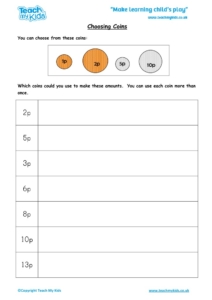
TMKed offers curriculum-based worksheets for EYFS, Key Stage 1 and Key Stage 2 that follow the Primary National Curriculum. These primary English learning resources support parents, tutors and teachers who want simple, ready-to-print pages.
We also offer english worksheets that are age appropriate and organised in a ready to use way on Teach My Kids
This guide gives you a step-by-step plan to use worksheets to build confidence, motivation and a more positive home learning routine.
Related: How can I build my child’s confidence in learning using worksheets?
Why Do Some Children Avoid Reading and Writing at Home?
Children often avoid reading and writing at home because the work feels too hard or they’re scared of getting it wrong. This usually links to low confidence or past bad experiences where they felt rushed, corrected too quickly or compared to others.
The gap between home and school really matters. In school there’s a set routine and everyone is working. At home there are toys, screens and brothers or sisters nearby. Adults at home can also feel anxious about progress and that pressure can spill over onto the child.
Good worksheets and short, but regular reading sessions for children reduce this pressure. This can help children by:
- providing a regular short reading time at the same time after school
- a clear layout with enough space to write
- small chunks of text and questions
- familiar formats that match the Primary National Curriculum
Reluctance is very common. With patient teaching strategies for parents and carers, you can change how your child feels about reading.
How Do You Choose the Right English Worksheets To Support Reading?
You choose the right home learning English worksheets by matching the level to your child, not just their age or year group. Aim for tasks where your child can do most questions, with a bit of stretch. This is the same principle used when helping children to choose a reading book.
Three helpful ideas here are “phonics”, “comprehension” and “grammar”. Phonics is how letters and groups of letters link to sounds in words. Comprehension is understanding what a text says and what it suggests. Grammar is how we put words together to make clear sentences.
Related: How to Use Phonics Worksheets EYFS for Reading & Writing
- Match level to the child: If your Year 4 child reads more comfortably with Year 3 texts, start there so they can feel success instead of panic.
- Pick engaging topics: Choose stories and non-fiction about things they already like, such as animals, football, space or crafts.
- Check curriculum content: Look for phonics, vocabulary, spelling, grammar and punctuation, and reading skills for EYFS, KS1 and KS2.
- Keep tasks short: One clear focus per page, such as phonics, comprehension, sentence writing or handwriting.
- Use variety across the week: Mix reading worksheets for children with writing, spelling, simple games or just reading that day.
How Can You Break Shared Reading and Writing Worksheets into Manageable Steps?
You break worksheets into small steps by using a short routine with tiny chunks of work. This routine helps your child know what will happen and when it will end, which makes the whole thing feel less scary.
1. Set a predictable routine
Pick the same time and place each day, for example after a snack at the kitchen table. Set a timer for 10–15 minutes so your child knows it won’t go on and on.
2. Warm up (2–3 minutes)
Use a tiny part of the worksheet as a quick game:
- read three words and race to spot them in the text
- clap the sounds in a word for phonics practice
3. Shared reading (5 minutes)
Read the text together. You can try:
- Echo reading: you read a sentence, then your child reads the same sentence
- Turn taking: you read one line, your child reads the next
Shared reading means you help with hard words and keep the pace steady so your child doesn’t feel stuck alone.
4. Tiny task chunks (5–10 minutes)
Cover the rest of the page. Show only one or two questions at a time. After each mini-step, give praise, then decide together if you’ll do one more question or stop there.
Start → Warm up → Read together → Q1–2 → Praise → Stop or Q3–4 → Praise → Review
5. Quick review (2 minutes)
Ask your child:
- “What is one new word you used well?”
- “What was the trickiest part and how did you fix it?”
What are practical worksheet examples for different ages?
Here are ideas for reluctant readers help at different stages.
EYFS and early KS1
- tracing letters on handwriting lines
- matching pictures to starting sounds
- circling initial sounds in a group of letters
- reading and writing simple CVC words like “cat” or “shop”
KS1 (5-7 Years Old)
- short texts with 3–4 comprehension questions
- sentence building using word cards or a word bank
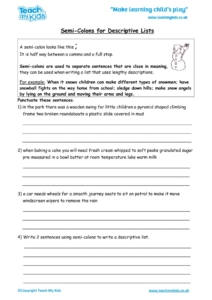
- adding capital letters and full stops to bare sentences
KS2 (7-9 Years Old) (9-11 Years Old)
- paragraph reading with 3–5 questions, including one inference question where they read between the lines
- vocabulary tasks such as matching words to meanings
- planning and writing one paragraph using prompts or sentence starters
How Do Rewards and Praise Build a Positive Home Learning Culture?
Rewards and praise work because they show your child that effort matters. This builds a growth mindset, which is the belief that you can get better at something with practice.
- Focus on effort: say “You worked hard to sound out that word” instead of “You are clever”.
- Use simple rewards: sticker charts, choosing the next story or extra playtime after a week of steady work.
- End on success: stop while your child is still coping well, even if the worksheet is not finished.
- Offer choices: let them pick between two worksheets or choose a coloured pen.
- Share work with school: send finished pages to teachers or tutors so they can see progress and plan next steps.
How Can Teachers and Tutors Use TMKed Home Learning English Worksheets?
Teachers and tutors can use TMKed home learning English worksheets to link school learning with home practice. This keeps messages clear and consistent for the child.
Related: Grammar Workbook 1 (9-11 Years)
- Build worksheets into lesson plans and send home one or two pages that match class work.
- Create mixed packs with English and maths, labelled by objective and Key Stage.
- Add short notes for parents on how to help without doing the work.
- Use completed pages to spot gaps in phonics, reading comprehension, spelling, grammar or number work.
- Use the same resources for after-school clubs, child-minders, home-schooling and one-to-one tutoring.
Frequently Asked Questions about Home Learning English Worksheets
How many home learning english worksheets should my child do each week?
Most primary children manage 2–3 short sessions each week. Aim for 10–15 minutes per session rather than a large pile of pages.
What if my child refuses to read the text on the worksheet?
Offer to read the text aloud first or share the reading. The goal is understanding and discussion, not forcing every word alone.
How do I know if a worksheet is too easy or too hard?
If your child races through with no real thinking, it’s too easy. If they get stuck on most questions, it’s too hard. Aim for a level where they can answer about eight out of ten questions with light support.
Can I use the same worksheet more than once to build confidence?
Yes. Repeating a page can help a nervous child feel safe. You can change the focus, for example first time read the text, second time answer the questions faster, third time use new words in sentences.
How do TMKed worksheets fit with the Primary National Curriculum?
TMKed resources follow Primary National Curriculum aims for phonics, spelling, grammar, punctuation and reading comprehension across EYFS, KS1 and KS2, so home work links closely to class work.
Conclusion: What Are Your Next Steps for Supporting Reluctant Readers at Home?
To support a reluctant reader at home using worksheets, choose engaging, curriculum-based home learning English worksheets, break tasks into small steps and use steady praise and simple rewards.
Related: Grammar Workbook 2 (9-11 Years)
Start small with 10–15 minute sessions, 2–3 times a week. Focus on success and progress, not perfect work. For English home learning ideas, pick topics your child loves and mix phonics, reading and writing.
Next, choose one child, select three worksheets for the week, set a calm routine and note what works best. Adjust as you go so home learning feels more like a habit and less like a battle.
Frequently asked questions
Key takeaways
1. Set a predictable routine
2. Warm up (2–3 minutes)
3. Shared reading (5 minutes)
Home learning English worksheets can help reluctant readers when they are short, clear and matched to your child’s level. They turn reading and writing into small steps that feel safe and quick, so your child can build confidence without long battles over homework. Your child reads happily at school then says “I hate reading” at home. If that sounds familiar, you’re not on your own. With the right home learning English worksheets, you can turn that daily struggle into a calm, short habit that fits around normal family life.
Worksheets help reluctant readers because they give a clear job with a start and an end.
Why Do Some Children Avoid Reading and Writing at Home?
Children often avoid reading and writing at home because the work feels too hard or they’re scared of getting it wrong. This usually links to low confidence or past bad experiences where they felt rushed, corrected too quickly or compared to others.
How Do You Choose the Right Home Learning English Worksheets?
You choose the right home learning English worksheets by matching the level to your child, not just their age or year group. Aim for tasks where your child can do most questions, with a bit of stretch.
How Can You Break Reading and Writing Worksheets into Manageable Steps?
You break worksheets into small steps by using a short routine with tiny chunks of work. This routine helps your child know what will happen and when it will end, which makes the whole thing feel less scary.