
Published: 12 December 2025
TL;DR:
Learn how to use phonics worksheets EYFS in a short, focused way that supports blending, segmenting and letter formation alongside play-based phonics teaching in line with the EYFS National Curriculum.
Related:Phonics, Letter Sounds,Initial Sounds Workbook,Phonics Workbook 2, Phonics Workbook 3
Phonics worksheets in EYFS work best as short, focused tasks that help children link letters to sounds, blend for reading, segment for spelling and practise letter formation, all alongside play, talk and stories.
For example, a reception child sounding out “c-a-t” then grinning as they spot the matching picture on a sheet. That small success builds the confidence you want to see every day.
Reading & Writing in the Early Years. Why Do Phonics Worksheets EYFS Matter?
Phonics sits at the centre of early reading and writing in the Early Years Foundation Stage and continues into Key Stage 1. Phonics means teaching children the link between spoken sounds and written letters so they can read and spell words in English.
Phonics worksheets EYFS are one tool in this teaching. You use them alongside early years phonics activities such as songs, stories, role play and outdoor games. The worksheet records learning; it is not the whole lesson.
TMKed offers ready-to-use EYFS phonics and literacy worksheets that follow the Primary National Curriculum so you spend less time planning and more time teaching.
What Is Phonics in EYFS and How Does It Support Reading & Writing?
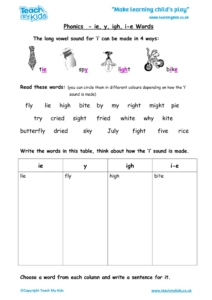
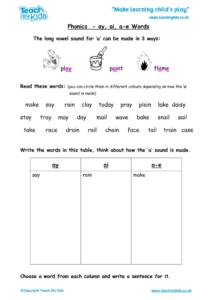
Phonics is the method of teaching where you link sounds to letters. A phoneme is the smallest unit of sound in a word, for example /s/ in “sun”. A grapheme is the letter or group of letters that you write to show that sound, for example “s”.
Children learn two main phonics skills:
- Blending for reading: sounding out then pushing sounds together, for example /s/ /a/ /t/ → “sat”.
- Segmenting for spelling: hearing a word then breaking it into sounds, for example “pin” → /p/ /i/ /n/.
They also learn letter formation, which means how to form each letter correctly on the line. This supports clear, fluent writing later in KS1 and KS2.
In the EYFS framework, phonics links to communication, language and literacy. It leads smoothly into the Primary National Curriculum for English, where children use phonics to read and spell a growing range of words.
For ages 4–5 you can expect:
- Good listening skills and sound discrimination (hearing the difference between sounds).
- Early blending and segmenting with simple words like “sat” or “tap”.
- Starting to form lower-case letters in the correct direction.
How Can You Choose the Right Phonics Worksheets EYFS?
The best phonics worksheets for early years match the child’s current phonics phase and your school’s chosen programme.
- Match the phonics phase
For Phase 1, choose listening and sound games rather than written words. For Phase 2 and beyond, pick letter-sound worksheets that use the exact sounds you have taught that week. - Check clear progression
Good sets move in small steps:- Single sounds → simple CVC words (consonant-vowel-consonant, like “cat”).
- CVC words → digraphs (two letters making one sound, like “sh”).
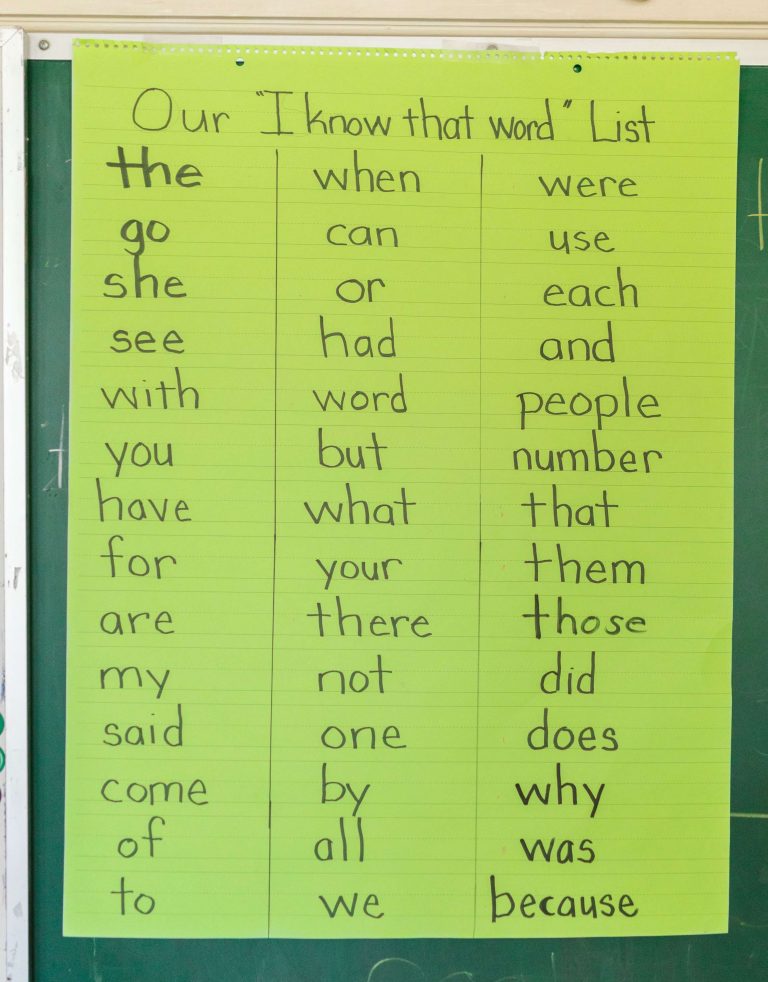
- Then simple sentences and tricky words.
- Support both reading and writing
Choose worksheets that ask children to recognise sounds, blend to read, segment to spell and practise handwriting. - Keep tasks short and clear
One page should take about 5–10 minutes. Look for simple instructions, clear pictures and chances to talk, for example “read to your partner”. - Check inclusion and curriculum links
Use clear fonts, uncluttered layouts and tasks that follow the Primary National Curriculum expectations for Reception and Year 1.
How Do You Use Phonics Worksheets EYFS in a Play-Based Classroom?
You use phonics EYFS worksheets well when they support active, talk-rich teaching. They sit beside games, songs, early years phonics activities and shared reading.
How can worksheets build blending skills for reading?
Use worksheets after strong oral work. First you model blending with the whole class on the carpet.
- Say the sounds slowly: /s/ /a/ /t/.
- Children repeat.
- You push sounds together: “sat”.
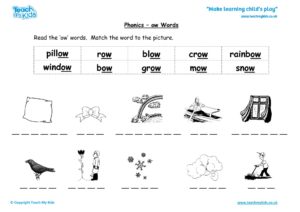
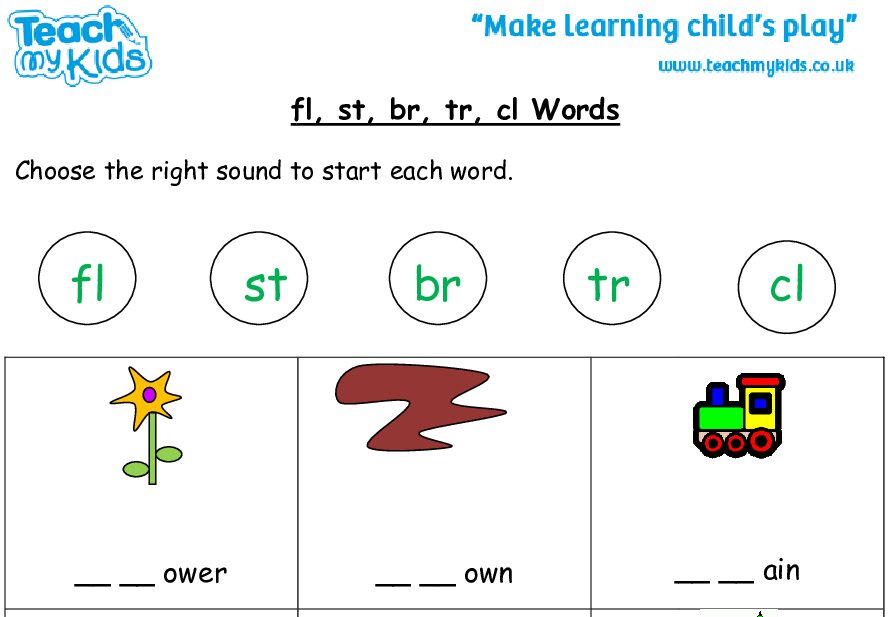
Then move to a worksheet, for example matching CVC words to pictures. Children read “dog” then draw a line to the dog picture and tell a partner the word.
In a guided group you can choose a worksheet that uses the focus sounds of the week so practice links directly to your phonics teaching strategies.
How can worksheets support segmenting and spelling?
Teach children to use “robot talk” to hear each sound in a word. Robot talk means saying a word in a choppy way so each sound stands out.
Example worksheet:
- Picture of a “sun”.
- Three sound boxes: [ ] [ ] [ ].
- Children say “s-u-n” in robot talk then write one sound in each box.
After the sheet, they build the same words with magnetic letters or letter tiles. This step-by-step approach helps sounds stick.
How do you support letter formation and handwriting?
Correct letter formation early on helps children write faster and with less effort later. They do not need to think hard about how to form each letter so they can think about spelling and meaning instead.
Use a simple ladder of practice:
Step 1: Trace   →  Step 2: Copy   →  Step 3: Write in a word
   s s s             s s s             sat, sit, sip
Combine the worksheet with:
Related: Phonics Initial Sounds – s, a, t, p, i, n
- Air writing big letters with arms.
- Writing in sand or rice trays.
- Writing on whiteboards before moving to paper.
View Letter Formation Worksheets
How do you blend worksheets into continuous provision and home learning?
You can turn worksheet content into quick challenges around the room, for example:
- Clipboards in the role-play shop with a “shopping list” of CVC words from a sheet.
- Word cards from a worksheet hidden in the construction area to read and match to models.
- Outdoor chalk versions of letter-sound worksheets where children jump on the sound you say.
For home learning, send short tasks with clear notes for parents and stress confidence over perfect spelling. TMKEd workbooks include answer guides or parent notes to support this shared approach.
What Pitfalls Should You Avoid With Phonics Worksheets EYFS?
You avoid problems when you pick tasks for the right child at the right time and then talk about the learning.
- Do not rely on worksheets instead of active, talk-based teaching.
- Avoid sheets that are too long or too hard which can damage confidence.
- Do not teach handwriting alone without linking letters to sounds and real words.
- Skip “busy work” that does not match your current sounds or learning goals.
- Always review completed sheets with children so you can praise effort and fix errors.
High-quality, focused resources such as TMKEd packs help you choose tasks that match clear phonics goals.
What Quick, High-Impact Phonics Worksheet Activities Can You Try Today?
You can fit these 5–10 minute tasks into daily routines, interventions or home packs.
- Sound hunt sheet
Children circle pictures that start with the focus sound, for example /s/, then hunt for classroom objects that start with the same sound. - Read and draw
On a simple sheet of CVC words, children read “hat” then draw a quick hat. This checks decoding and understanding together. - Segment-and-write grid
Use 3–4 target words linked to your class text, for example “pig, pan, mud”. Children segment then write each in a grid. - Letter formation ladder
Children trace, copy then write letters in a word, then do a quick partner check.trace → copy → write → partner check
You can build these tasks using TMK Education phonics worksheets EYFS and early reading workbooks so they slot easily into your weekly plan.
FAQs: What Do Teachers and Parents Ask About Phonics Worksheets EYFS?
How many phonics worksheets should EYFS children do each week?
One short worksheet on most phonics teaching days works well. Many settings use 3–5 sheets across a week, mixed with games, reading and writing in play.
What if a child finds phonics worksheets too hard or too easy?
If a sheet is too hard, step back a phase or reduce the number of items. If it is too easy, move to words with more sounds or add a sentence-writing challenge.
How can I support children who struggle with pencil control?
Use bigger writing spaces, thicker pencils or crayons and lots of pre-writing play such as threading beads or using playdough. Let them show blending and segmenting with oral work before expecting full written answers.
Can phonics worksheets help children learning English as an additional language?
Yes. Clear pictures, repeated sound practice and simple words help them link spoken English to print. Pair them with a strong model reader and include extra oral rehearsal.
How do I know if a worksheet fits the EYFS and Primary National Curriculum?
Check that sounds and words match the phonics phase for Reception or Year 1, that tasks practise blending and segmenting and that letter formation follows your school’s agreed script.
Conclusion: What Are Your Next Steps With Phonics Worksheets EYFS?
Phonics worksheets EYFS work best when they are short, targeted and paired with rich, play-based phonics teaching. They should help children practise blending, segmenting and letter formation, not replace stories and talk.
Next, look at the phonics learning resources you already use. Keep the ones that clearly support sound recognition, blending and handwriting and remove those that feel like busy work.
You can then explore TMK Education phonics worksheets EYFS and early reading workbooks, grouped by phase and skill, to fill any gaps and save planning time.
As a simple action plan, pick:
- One blending worksheet.
- One segmenting worksheet.
- One letter-formation worksheet.
Use them this week, watch how children respond and note changes in confidence and progress.
Frequently asked questions
Reading & Writing in the Early Years: Why Do Phonics Worksheets EYFS Matter?
Phonics sits at the centre of early reading and writing in the EYFS and continues into Key Stage 1. Phonics means teaching children the link between spoken sounds and written letters so they can read and spell words in English.
What Is Phonics in EYFS and How Does It Support Reading & Writing?
Phonics is the method of teaching where you link sounds to letters. A phoneme is the smallest unit of sound in a word, for example /s/ in “sun”. A grapheme is the letter or group of letters that you write to show that sound, for example “s”.
How Can You Choose the Right Phonics Worksheets EYFS?
The best phonics worksheets for early years match the child’s current phonics phase and your school’s chosen programme.
How Do You Use Phonics Worksheets EYFS in a Play-Based Classroom?
You use phonics worksheets EYFS well when they support active, talk-rich teaching. They sit beside games, songs, early years phonics activities and shared reading.
How can worksheets build blending skills for reading?
Use worksheets after strong oral work. First you model blending with the whole class on the carpet.
Related: Number, Fractions, Decimals & Percentages, Workbook 1 (9-11 Years)
How can worksheets support segmenting and spelling?
Teach children to use “robot talk” to hear each sound in a word. Robot talk means saying a word in a choppy way so each sound stands out.
How do you support letter formation and handwriting?
Correct letter formation early on helps children write faster and with less effort later. They do not need to think hard about how to form each letter so they can think about spelling and meaning instead.