Published: 26 March 2026
TL;DR:
Find out what secure KS1 English looks like at the end of Year 2. Which skills should be in place and how TMKed worksheets help you check and support KS1 English milestones at home, or in the classroom.
Key takeaways
- FAQ: Common Questions About KS1 English Milestones
Secure KS1 English at the end of Year 2 means your child is usually meeting the age‑expected milestones in phonics, reading, spelling, grammar, punctuation and early writing. They can read simple chapter books, spell many common words, write short joined sentences and understand what they read with growing independence.
A Year 2 child picking up a short story, reading most of it smoothly with only a few pauses, then writing a neat little paragraph about their favourite day. That’s what secure KS1 english milestones look like in everyday life.
Age & Stage Milestones:
What Does Secure KS1 English Look Like at the End of Year 2?
When teachers say a child is “secure” in KS1 English, they mean the child meets most of the end of year 2 english goals in the Primary National Curriculum. You can think of these goals as a checklist that helps you see if a child is ready to move into lower KS2 with confidence.
Related: What does secure KS1 maths look like at the end of Year 2?
The KS1 Primary National Curriculum for English KS1 covers four main strands:
- Phonics and word reading – using sound and letter patterns to read words
- Reading comprehension – understanding and talking about what is read
- Spelling, grammar and punctuation – spelling common words and using sentence rules
- Writing composition – planning and writing short pieces that make sense
This guide helps you, as a teacher, parent, tutor, child‑minder or home educator, see what secure progress looks like so you can plan lessons and practice that match your child’s stage.
TMKed provides ready‑to‑use, curriculum‑matched KS1 literacy worksheets and KS1 workbooks. You can use them to check KS1 english milestones and give extra practice where it’s needed.
Take a look at Teach My Kids offering english worksheets that are age appropriate and organised in a ready to use way.
What Are the Key KS1 English Milestones by the End of Year 2?
By the end of Year 2, secure KS1 english milestones usually include:
- Reading most common words quickly, without sounding out every single time
- Using phonics to work out new words
- Answering simple questions about what they read
- Spelling many common exception words like “because” and “people”
- Writing clear sentences with capital letters and full stops
- Joining ideas with words like “and”, “but” or “because”
These are “age and stage” goals. So they match what most children at this age and in this school stage can do, but some children move faster and some need more time.
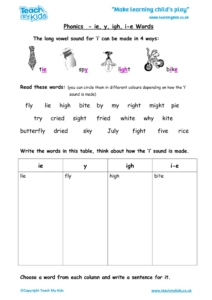
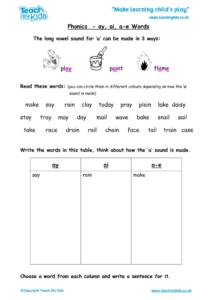
Phonics is the system of matching sounds in words to letters or groups of letters. For example, the sound /ai/ appears in words like “rain” or “day”. Children use phonics to read and spell words they have not seen before.
Related: How do I make KS2 grammar worksheets actually improve writing?
How Should Phonics, Spelling, Grammar and Punctuation Look at the End of Year 2?
At the end of KS1, phonics, spelling, grammar and punctuation start to work together so your child can read and write simple texts on their own. Maybe a short story, a letter, or a few sentences about a trip.
What are the phonics and word reading milestones?
By the end of Year 2 most children:
- Use phonics to read longer words like “garden” or “playing”
- Read common exception words, for example “water”, “again”, “who”
- Notice when a word doesn’t look right and try again
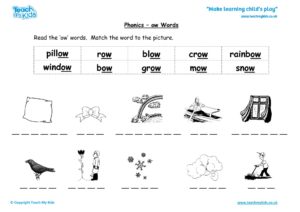
You can check this with short reading strips or sentence worksheets. For example, ask children to underline words with a given sound, such as “ow” in “snow” and “cow”. Simple, quick checks like this show you what they really know.
What are the spelling and vocabulary milestones?
By the end of Year 2 many children:
- Spell most days of the week and common exception words taught in class
- Add simple endings like -ed, -ing and -er correctly
- Start to choose more interesting words, for example “huge” instead of “big”
Vocabulary means the words a child knows and uses. The more words they know, the easier it is for them to understand stories and to write in more detail.
Spelling tests on word lists, gap‑fill sentences and word sorting worksheets all help you see which spellings are secure and which still need practice.
Related: How do I support KS1 spelling using phonics and spelling worksheets?
What are the grammar and punctuation milestones?
Grammar is the set of rules for how words fit together in sentences.
Punctuation uses marks like full stops and question marks to show where sentences end or how they should sound when read aloud.
By the end of Year 2 most children:
- Use capital letters and full stops in most sentences
- Use question marks and exclamation marks in simple cases
- Use commas in lists, for example “I bought apples, pears and bananas”
- Use present and past tense mostly correctly
You can use editing worksheets where children fix missing capital letters and full stops or choose the correct tense in a sentence. This shows you if they really understand the rules, not just copy them.
How Can You Check Early Reading Comprehension and Writing at KS1?
You check early reading and writing by asking children to show what they understand, not only what they can sound out or copy. So you’re looking at meaning, not just mechanics.
What are the reading comprehension milestones?
For reading and writing KS1, secure comprehension by the end of Year 2 often means a child can:
Related: How do I help my KS2 class write better paragraphs for KS2 writing development?
- Answer questions about who, what, where and when
- Retell the main events in the right order
- Make simple guesses about what might happen next
Use short texts followed by questions that ask children to tick, circle or write one short answer. This checks what english skills should be secure at the end of ks1 in reading, without overwhelming them.
What are the writing composition milestones?
Writing composition means planning, writing and checking a piece of writing, not just spelling words correctly. It’s the whole process.
By the end of Year 2 many children can:
- Write a short story or recount of several linked sentences
- Use time words like “first” or “later” to order ideas
- Reread and spot simple mistakes
Writing frames, picture prompts and sentence starters in worksheets help children plan and extend their writing. They give just enough structure so children know where to start, but still have space to add their own ideas.
Take a look at Teach My Kids offering english worksheets that are age appropriate and organised in a ready to use way.
How Can You Use TMKed Worksheets To Support KS1 English Milestones?
You support ks1 english milestones by using TMKed worksheets as short checks and practice tasks in lessons or at home. Think of them as little snapshots of learning, not long tests.
How can you fit worksheets into daily learning?
- Pick one focus, for example “spelling grammar and punctuation ks1”
- Choose a worksheet that matches that skill
- Let the child try on their own
- Mark together and talk about any mistakes
- Repeat with a similar sheet later in the week
Here is a simple way to picture this process:
Related: Grammar Workbook 2 (7-9 Years)
Choose skill → Pick worksheet → Child completes
               ↓
          Check answers → Spot gaps → Extra practice
Which KS1 English worksheets support end of Year 2 expectations?
Useful TMKed worksheet types include:
- Phonics sorting sheets for different spellings of the same sound
- Common exception word spelling grids
- Sentence editing tasks for capital letters and punctuation
- Short reading texts with mixed question types
- Picture prompts with lines for a 5‑sentence story
When you look at results, watch for patterns. For example, if a child often misses capital letters for names, plan extra practice on proper nouns. If they always skip full stops, focus on sentence boundaries for a while.
FAQ: Common Questions About KS1 English Milestones
How can I tell if my child is on track in KS1 English?
Check if they can read age‑matched books with growing fluency, spell many common words and write short, clear sentences. Use TMKed ks1 literacy worksheets to compare their work with end of year 2 english goals.
What english skills should be secure at the end of KS1?
Most children should have secure phonics knowledge, read simple chapter books, use basic punctuation, spell many common exception words and write linked sentences. TMKed workbooks list these ks1 english milestones clearly so you can see them at a glance.
How to check KS1 English milestones using worksheets?
Choose one area, for example reading comprehension, give a short TMKed task then review answers. Repeat for spelling, grammar and writing so you see a full picture, not just one small part.
Which KS1 English worksheets support end of Year 2 expectations?
Look for worksheets that match the primary national curriculum english ks1 statements, such as using commas in lists or reading words with common suffixes. TMKed groups sheets by skill so you can find these quickly.
Related: Reading and Writing (4-6 Years)
What Are Your Next Steps for Supporting KS1 English Progress?
Secure ks1 english milestones at the end of Year 2 cover phonics and word reading, spelling and vocabulary, grammar and punctuation, plus comprehension and writing composition.
You can use structured, curriculum‑matched worksheets to spot gaps early and give clear, focused practice. This helps children move into Year 3 feeling ready.
Explore TMKed’s KS1 English worksheets and English workbooks to save planning time and support confident end of Year 2 outcomes that match the Primary National Curriculum.
Frequently asked questions
Key takeaways FAQ:
When teachers say a child is “secure” in KS1 English, they mean the child meets most of the end of year 2 english goals in the Primary National Curriculum. You can think of these goals as a checklist that helps you see if a child is ready to move into lower KS2 with confidence.
What Are the Key KS1 English Milestones by the End of Year 2?
By the end of Year 2, secure ks1 english milestones usually include:
How Should Phonics, Spelling, Grammar and Punctuation Look at the End of Year 2?
At the end of KS1, phonics, spelling, grammar and punctuation start to work together so your child can read and write simple texts on their own. Maybe a short story, a letter, or a few sentences about a trip.
What are the phonics and word reading milestones?
By the end of Year 2 most children:
What are the spelling and vocabulary milestones?
By the end of Year 2 many children:
What are the grammar and punctuation milestones?
Grammar is the set of rules for how words fit together in sentences. Punctuation uses marks like full stops and question marks to show where sentences end or how they should sound when read aloud.
How Can You Check Early Reading Comprehension and Writing at KS1?
You check early reading and writing by asking children to show what they understand, not only what they can sound out or copy. So you’re looking at meaning, not just mechanics.