Published: 6 January 2026
TL;DR:
Learn clear, practical ways to support KS2 writing development so children move from single sentences to structured paragraphs using model texts, simple scaffolds and targeted worksheets for Years 3–6.
Key takeaways
- FAQs: Common questions about KS2 writing development
To help KS2 writing development, children need to progress from simple sentences to short, clear paragraphs using model texts, simple planning frames, focused grammar and punctuation practice, and regular paragraph-length writing. You keep tasks small, repeat the same routines and use structured worksheets to guide each step.
Many pupils in Years 3 to 6 can write one neat sentence then stop. The jump to a full paragraph feels huge. When you crack KS2 paragraph writing, you also boost reading, spelling, grammar and confidence, because children finally see how ideas link together on the page.
This guide shows you how to support KS2 writing development so children move from single sentences to organised paragraphs. You will see how to use model texts, writing scaffolds in primary classrooms and key stage 2 literacy worksheets. TMKed provides ready-made, curriculum-linked English worksheets and English workbooks, so you can spend less time planning and more time teaching.
Related: Paragraphs (2)
What does effective KS2 writing development look like from Years 3–6?
Effective KS2 writing development means children gain control of sentences in lower KS2 and then learn to group those sentences into clear, linked paragraphs in upper KS2. By Year 6, they write organised multi-paragraph texts for different purposes.
A simple way to picture this progress is as a staircase:
Year 3 → sound sentences
Year 4 → linked sentences on one idea
Year 5 → clear single paragraphs
Year 6 → organised multi-paragraph texts
Across these years, you build:
- Vocabulary: wider word choice for detail and precision
- Sentence variety: simple, compound, and complex sentences
- Cohesion: links inside a paragraph so it “sticks” together
- Grammar and punctuation: correct tense, commas, capital letters and more
How do reading and writing support each other in KS2?
Reading and writing support each other in KS2 because children copy the patterns they see. When they read short, clear paragraphs, they learn what good writing looks like and then try it themselves.
A model text is a short piece of writing you use to teach a skill. For paragraph work, you can choose a short story opening or a short explanation text. You then show children:
- The topic sentence: the first sentence that tells what the paragraph is about
- Supporting sentences: extra detail, reasons, or examples
- Cohesive devices: words and phrases that link ideas, such as “first”, “later”, “as a result”
Regular reading of well-structured texts supports spelling patterns, punctuation choices, and vocabulary. Children begin to copy sentence starters, time phrases and joining words they have seen.
What are the building blocks before paragraphs?
Before children can write paragraphs, they need solid sentence skills. A sentence must make sense on its own and start with a capital letter and end with a full stop, question mark, or exclamation mark.
Related: Writing Non-fiction (7-9 Years)
Core sentence skills include:
- Capital letters and full stops
- Subject–verb agreement, for example “The dogs run” and “The dog runs”
- Simple conjunctions, for example “and”, “but”, “because”
You can then introduce sentence groups. A sentence group is a small set of sentences about one idea, for example three sentences about a character or a setting. This acts as a bridge to full paragraphs.
How can you help KS2 pupils move from sentences to structured paragraphs?
You help pupils move from sentences to structured paragraphs by following a clear sequence: plan ideas, expand sentences, group related ideas, then refine the writing as a paragraph.
How does a step-by-step paragraph process work?
You can use this simple process for KS2 paragraph writing:
- Plan: jot 3–4 bullet points on one idea, for example “reasons to recycle”
- Expand sentences: turn each bullet point into a full sentence
- Group ideas: check that all sentences match the same main idea
- Refine: choose a topic sentence, add linking words, and check punctuation
Plan → Sentences → Group → Paragraph
How can writing worksheets scaffold paragraph structure?
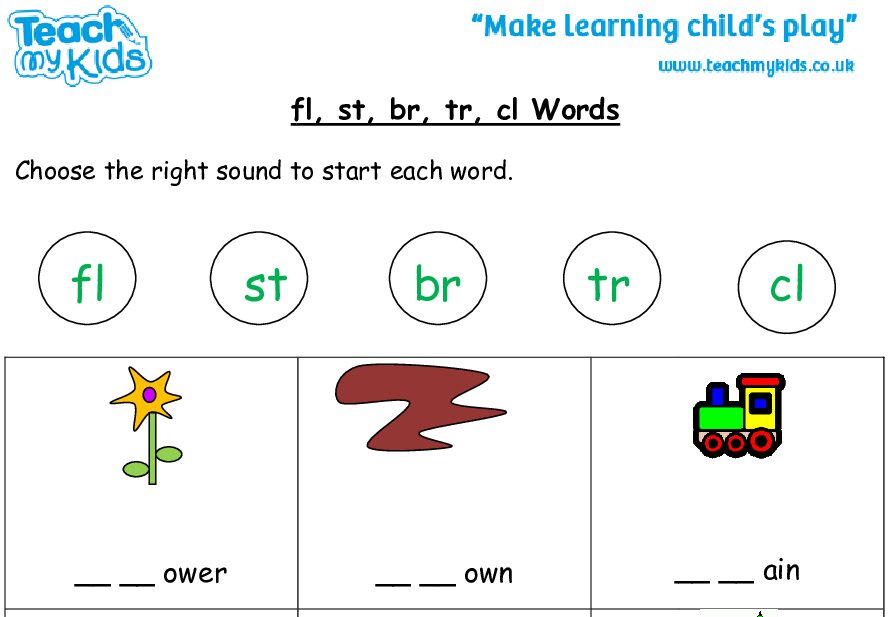
Writing worksheets act as scaffolds because they give pupils part of the structure so they can focus on meaning. A scaffold is a support that you use while learning a skill, then remove when the pupil is ready to work alone.
Useful worksheet formats include:
- Sentence sorting into paragraphs, for example sorting mixed sentences into “habitats” and “food chains”
- Jumbled paragraph reconstruction, where pupils put sentences back into a sensible order
- Paragraph planning frames with boxes for topic, detail, and example
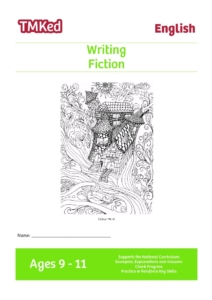
TMKed writing fiction worksheets and writing non-fiction worksheets can support different levels.
We also offer english worksheets that are age appropriate and organised in a ready to use way on Teach My Kids
Related: Developing Story Writing Skills (9-11 Years)
- Year 3: sentence stems such as “First we…”, “Then we…”
- Year 4: frames with prompts for detail and examples
- Year 5–6: open-ended prompts and space for childrens’ own sentence starters
How can model texts teach topic sentences and cohesion?
You teach topic sentences and cohesion by reading short model texts and marking each type of sentence together. Cohesion means how well the sentences in a paragraph stick together so the reader does not feel lost.
Quick activities:
- Underline the topic sentence in one colour and supporting sentences in another
- Circle linking words such as “first”, “after that”, “however”, “as a result”
- Magpie phrases, where pupils copy useful sentence starters into their books
- Paragraph mimic writing, where children write a new paragraph that follows the same pattern as the model
How can vocabulary tools extend and join ideas?
Vocabulary tools help children extend sentences and link ideas without getting stuck. These tools include word banks, synonym lists, conjunction mats and phrase banks.
For example:
- To extend sentences: “because”, “although”, “when”
- To link across a paragraph: “firstly”, “later on”, “meanwhile”, “as a result”
You can keep these on table mats or at the back of workbooks so childrens’ always have support when they write.
How can grammar and punctuation teaching be integrated into paragraph work?
You integrate grammar and punctuation KS2 teaching by linking each grammar focus to a real writing task. Pupils then see grammar as a tool that makes their paragraph clearer.
How do grammar objectives connect to paragraph outcomes?
You connect grammar objectives to paragraph outcomes by choosing one focus per task. For example:
Related: Grammar Revise and Practise Workbook 1 (7-11 Years)
- Conjunctions to add detail: “because”, “so”, “although”
- Adverbials to show time and place, for example “Later that day”, “At the edge of the forest”
- Pronouns to avoid repetition, for example using “he”, “she”, or “they” instead of repeating the noun
You can pair TMKed grammar, spelling and punctuation worksheets with short writing tasks so children read, practise, and then use the same grammar in their own paragraph.
Use Teach My Kids worksheets organised by year group and topic to save time
What punctuation routines work well inside paragraphs?
Simple editing routines help children check punctuation without feeling lost.
Try:
- One-minute full stop check: read each sentence aloud and check the end
- Comma check for lists and fronted adverbials, for example “After lunch, we went outside”
- Capital letter check for sentence starts and proper nouns, such as names of people and places
Partner-editing checklists can focus on one or two punctuation targets per paragraph, which keeps the task clear and manageable.
What practical KS2 writing development scaffolds work best for Years 3–6?
What helps Year 3–4 move from extended sentences to simple paragraphs?
In Years 3 and 4, children need strong visual prompts and clear sentence stems so they can write three or four linked sentences on one idea.
Useful frames include:
- “My paragraph is about…”
- “First…”
- “Next…”
- “Finally…”
You can show a picture, ask children to say their sentences aloud, then write them in order using the frame.
Related: How can I support my child with a home learning routine without overwhelming them?
How do Year 5–6 move from single paragraphs to multi-paragraph texts?
In Years 5 and 6, children move from single paragraphs to whole texts by planning each paragraph before they write. A simple planner with one box per paragraph works well.
[Intro]  → main idea
[Para 1] → first reason / first event
[Para 2] → second reason / next event
[Para 3] → final reason / ending
You then encourage more advanced cohesion with:
- Varied sentence openers, for example “Meanwhile”, “On the other hand”
- Connectives between paragraphs, such as “Another reason is…”
- Precise vocabulary choices for detail, for example “strolled” instead of “went”
What tips help adults use worksheets at home or in class?
When you use key stage 2 literacy worksheets at home or in class, keep the focus tight. One paragraph with one clear purpose works better than a long writing task.
A simple routine could be:
- Warm-up: short reading or SPaG task linked to the skill
- Model: look at a short model paragraph and spot the skill
- Write: pupils write one paragraph using a TMKed frame or prompt
FAQs: Common questions about KS2 writing development
How can I tell if my KS2 child is ready to write paragraphs?
A child is ready for paragraphs when they can write several correct sentences on the same idea and keep the tense and subject clear. They should also begin to use joining words such as “because” or “so”.
What should I do if children only write very short sentences?
Start with sentence expansion. Ask “who”, “what”, “where”, “when”, and “why” to stretch each idea. For example, “The dog ran” becomes “The tired dog ran across the muddy field after the storm”.
How often should KS2 children practise paragraph writing?
Short, regular practice works best. Aim for paragraph-length writing several times a week in different subjects, such as English, science, and history.
Related: How do I explain maths and english methods at home? A brief parents guide to the primary curriculum
Can worksheets and workbooks really improve writing structure?
Worksheets and workbooks help when they guide pupils through planning, ordering, and joining ideas. They should support thinking, not replace it, so you still include talk, shared writing, and reading.
How do I support reluctant writers or children with lower confidence?
Use small steps, strong visuals, and shared writing. You can write the first sentence together, give word banks, and let pupils say their paragraph aloud before writing.
What are the next steps for supporting KS2 paragraph writing?
KS2 writing development grows when pupils move from secure sentences to guided sentence groups and then to clear, cohesive paragraphs. You support this by mixing model texts, focused grammar and punctuation work, and regular short writing tasks.
To keep progress steady, combine model reading texts, targeted worksheets, and simple vocabulary tools so pupils always know what to do next. You can use TMKed’s Primary National Curriculum English worksheets and workbooks to save planning time and give structured support for KS2 paragraph writing from Year 3 to Year 6.
Frequently asked questions
Effective KS2 writing development means children gain control of sentences in lower KS2 and then learn to group those sentences into clear, linked paragraphs in upper KS2. By Year 6, they write organised multi-paragraph texts for different purposes.
How do reading and writing support each other in KS2?
Reading and writing support each other in KS2 because children copy the patterns they see. When they read short, clear paragraphs, they learn what good writing looks like and then try it themselves.
What are the building blocks before paragraphs?
Before children can write paragraphs, they need solid sentence skills. A sentence must make sense on its own and start with a capital letter and end with a full stop, question mark, or exclamation mark.
How can you help KS2 children move from sentences to structured paragraphs?
You help children move from sentences to structured paragraphs by following a clear sequence: plan ideas, expand sentences, group related ideas, then refine the writing as a paragraph.
How does a step-by-step paragraph process work?
You can use this simple process for KS2 paragraph writing:
How can writing worksheets scaffold paragraph structure?
Writing worksheets act as scaffolds because they give pupils part of the structure so they can focus on meaning. A scaffold is a support that you use while learning a skill, then remove when the child is ready to work alone.
How can model texts teach topic sentences and cohesion?
You teach topic sentences and cohesion by reading short model texts and marking each type of sentence together. Cohesion means how well the sentences in a paragraph stick together so the reader does not feel lost.