Published: 30 April 2026
TL;DR:
Learn how KS1 tricky words worksheets can help children master common exception words in Year 1 and Year 2 using phonics, multi sensory tasks, games and simple tracking ideas that fit the Primary National Curriculum.
KS1 tricky words worksheets help children learn common exception words through short, repeated practice that fits the Primary National Curriculum. The most useful sheets mix phonics, handwriting, spelling and sentence work so children see the word, read it, spell it and use it in context.
For example, if a child is always getting stuck on the word “said” in every book. Once that one word clicks, whole sentences suddenly make sense. Tricky words often act like little keys like this, so it makes sense to give them clear, focused practice.
How can KS1 tricky words worksheets make common exception words easier?
KS1 tricky words, also called KS1 common exception words, are words like said, was and they. These don’t fully follow normal phonics rules. Phonics is the system where letters and groups of letters match sounds, like sh for the /sh/ sound or ai for the long /a/ sound.
Related: How do I support KS1 spelling using phonics and spelling worksheets?
These words matter because children meet them all the time in books. When a child can read and spell them quickly, reading feels smoother and writing looks more accurate. This builds fluency, which means reading with speed and understanding. It builds confidence in Year 1 and Year 2.
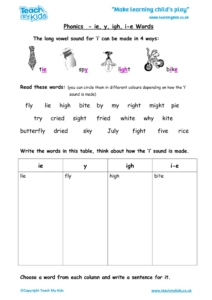
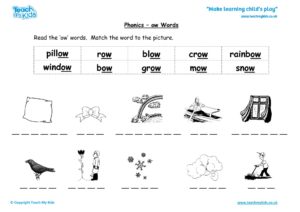
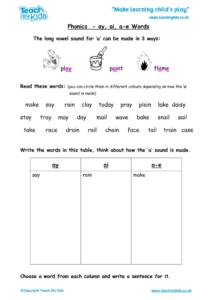
Well planned KS1 tricky words worksheets break learning into small steps that follow the Primary National Curriculum for key stage 1 literacy. Children read, trace, copy and use each word in short tasks that fit into phonics lessons, English sessions or homework.
TMKed offers ready to print, teacher written spelling worksheets and workbooks for children, so teachers, parents, tutors and childminders don’t have to start from a blank page.
What are common exception (tricky) words in KS1 and how should you teach them?
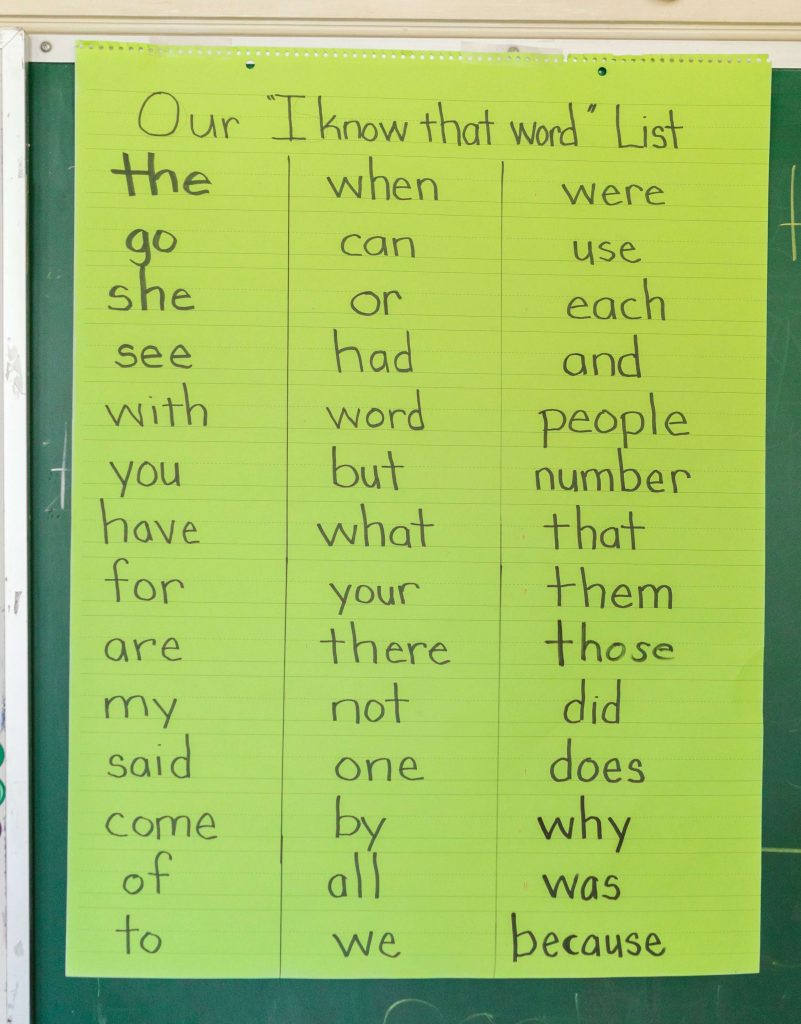
Common exception words are high frequency words that children need to read and spell even when phonics patterns don’t fully explain them. The “tricky” part is the sound or letter group that doesn’t match what you’d expect from normal phonics.
In the Primary National Curriculum, children meet some tricky words in Reception, then longer lists in Year 1 and Year 2. By the end of KS1 they’re expected to read and spell most of the KS1 common exception words list.
Related: What KS2 spelling strategies make weekly routines stick?
A simple teaching sequence works well:
- See it: Show the word on the board or worksheet.
- Say it: Read it together and talk about what it means.
- Understand it: Use it in a spoken sentence.
- Build it: Make it with letter cards or tiles.
- Write it: Trace then copy it on spelling worksheets for children.
- Use it: Put it into a short written sentence.
You balance phonics work and whole word learning. Children sound out the parts that follow phonics rules, then learn the truly tricky part by sight and memory.
How can multi-sensory KS1 tricky words worksheets support reading and spelling?
Multi-sensory learning means using more than one sense at the same time, like seeing, saying, hearing and moving. This helps memory because the brain links the word to several actions, not just looking at print.
What reading strategies work with tricky words?
For reading, KS1 tricky words worksheets can guide children to notice both the regular and tricky parts of words.
- Use colour to show the decodable part and a different colour for the tricky part, for example
saiin black anddin red. - Add matching tasks: word to picture, tracing then reading, and word hunts in simple sentences.
- Sort words into “can sound out” and “tricky part to remember”.
Example sort:
said → tricky & common
went → mostly phonics
You can also model saying the word, clapping syllables, then spotting it again in a short reading passage on the worksheet.
What spelling strategies help with tricky words?
For spelling, children need to notice chunks and patterns, then practise writing them correctly.
Related: What can I do at home to help a reluctant reader?
- Break words into chunks, for example friend → “fri” + “end”.
- Use “look, say, cover, write, check” tables with space to correct mistakes.
- Print handwriting lines so spelling and letter formation happen together.
- Let children move from tracing the word to writing it alone in phrases and sentences.
TMKed KS1 tricky words spelling workbooks follow this path so children gain independence step by step.
What are some multi-sensory worksheet ideas?
You can turn a simple sheet into a richer primary phonics resource with small changes.
- Finger trace over large bubble letters before writing on lines.
- Use cut and stick letter tiles on the sheet to build each tricky word.
- Add “Draw a picture to match this tricky word sentence” boxes to check meaning.
How do you add simple games so repetition never feels boring?
Tricky words need frequent, spaced repetition, which means short practice sessions spread over days. Games keep this practice fun and low pressure so children stay willing to try.
What quick games can you play with printed worksheets?
You can turn KS1 tricky words worksheets into games without extra planning.
- Bingo: Use the word list to make bingo grids for pairs or groups.
- Snap or pairs: Cut up word cards and play matching games.
- Read and race: Children circle target tricky words in a short text and count how many they find.
- Sentence builder: Children cut out tricky words and place them into printed sentence frames.
How can you adapt these games for home and clubs?
For home, tutoring and after school clubs, one page game boards work well. You can laminate them and swap in different tricky word sets.
The same KS1 tricky words worksheets can support:
Related: How do I make KS2 grammar worksheets actually improve writing?
- small groups in class
- 1 to 1 interventions
- home practice with families
How can you track which KS1 tricky words are secure?
You need to know which tricky words a child can read, spell and use without help. This shows you what to teach next and what to go back over.
What simple tracking methods work at school and home?
Here are easy ways to track progress.
- Use a class or individual checklist based on the KS1 common exception word lists.
- Add a traffic light on worksheets so children mark words as green, amber or red.
- Print “I can read it” and “I can spell it” tick boxes on TMKed worksheets.
How do you use worksheet evidence to plan next steps?
Look back over finished sheets for patterns, for example mixing up was and went or they and them. Use this to pick the next teaching set.
You can group children for short sessions based on which words are not yet secure. TMKed structured workbookshttps://tmked.com/product-category/workbooks/engish-workbooks/?pg=2 move from reading to spelling to sentence use, which supports this kind of ongoing assessment. Assessment here simply means checking what a child knows so you can plan what to teach next.
Related: Phonics Workbook 2 (5-7 Years)
What are common questions about KS1 tricky words worksheets?
How many KS1 tricky words should you focus on each week?
For most children, 3 to 5 new tricky words a week works well, with daily short practice and regular revision of older words.
Should children learn tricky words in a set order?
Follow the order in your school phonics scheme and the Primary National Curriculum lists, then adjust for the words that appear often in your reading books.
What if a child can read a tricky word but cannot spell it?
Keep the word in both reading and spelling tasks. Add extra “look, say, cover, write, check” rows and chunking work on KS1 tricky words worksheets.
How can you support children with SEND or EAL?
SEND means special educational needs and disabilities. EAL means English as an additional language. For these children, use larger print, fewer words per sheet, more pictures and extra oral practice before writing.
How do TMKed KS1 tricky words worksheets fit into phonics and English?
You can slot them into daily phonics, guided reading, spelling sessions and homework. They support the Primary National Curriculum aims for reading, spelling and handwriting in KS1.
What are the next steps for using KS1 tricky words worksheets effectively?
To use KS1 tricky words worksheets well, you mix phonics and whole word learning, use multi-sensory tasks, add simple games and track which words are secure.
Related: Phonics Workbook 3 (5-7 Years)
Choose a small set of priority tricky words and plan short, regular practice, for example 10 minutes a day across the week.
You can explore TMKed KS1 tricky words worksheets and workbooks arranged by year group and curriculum goals. Start by printing a small starter pack of 10 to 15 common exception words, then try the ideas in class, interventions or at home and see which ones help your children most.
Frequently asked questions
How can KS1 tricky words worksheets make common exception words easier?
KS1 tricky words, also called KS1 common exception words, are words like said, was and they. These don’t fully follow normal phonics rules. Phonics is the system where letters and groups of letters match sounds, like sh for the /sh/ sound or ai for the long /a/ sound.
What are common exception (tricky) words in KS1 and how should you teach them?
Common exception words are high frequency words that children need to read and spell even when phonics patterns don’t fully explain them. The “tricky” part is the sound or letter group that doesn’t match what you’d expect from normal phonics.
How can multi-sensory KS1 tricky words worksheets support reading and spelling?
Multi-sensory learning means using more than one sense at the same time, like seeing, saying, hearing and moving. This helps memory because the brain links the word to several actions, not just looking at print.
What reading strategies work with tricky words?
For reading, KS1 tricky words worksheets can guide children to notice both the regular and tricky parts of words.
What spelling strategies help with tricky words?
For spelling, children need to notice chunks and patterns, then practise writing them correctly.
What are some multi-sensory worksheet ideas?
You can turn a simple sheet into a richer primary phonics resource with small changes.
How do you add simple games so repetition never feels boring?
Tricky words need frequent, spaced repetition, which means short practice sessions spread over days. Games keep this practice fun and low pressure so children stay willing to try.