Published: 11 January 2026
TL;DR:
Learn what secure KS1 maths looks like at the end of Year 2, with clear KS1 maths milestones, simple checks for parents and teachers and concrete worksheet task examples linked to the Primary National Curriculum.
Key takeaways
- Classroom and Home Indicators of Secure Understanding
- Simple Checks Using Worksheets and Everyday Activities
- Common Gaps in KS1 Maths and What They Look Like
Secure KS1 maths at the end of Year 2 means a child is working at the expected standard in the Primary National Curriculum KS1 maths. They can handle numbers to 100, use addition, subtraction, simple multiplication and division, understand basic fractions, and work with simple measures and shapes with growing independence.
For example, a child who can read a clock and say “ten past 4,” share 12 grapes between 3 friends and explain that 47 is 4 tens and 7 ones. That’s the kind of maths many teachers have in mind when they talk about KS1 maths milestones.
Age & Stage Milestones.
What Does Secure KS1 Maths Look Like at the End of Year 2?
KS1 maths milestones are the knowledge and skills children are expected to have by the end of Year 2. They come from the Primary National Curriculum KS1 maths, which sets out age related expectations maths for each year group.
Related: Addition and Subtraction Workbook 2 (5-7 Years)
When a child is described as “secure” at the end of KS1, it means they are working at the expected standard for Year 2. They can show these skills by themselves, not only when an adult talks them through every step.
Clear milestones help you:
- Plan lessons and home practice in a sensible order
- Spot gaps early and give focused support
- Build children’s confidence because they know what success looks like
Ready-made, curriculum-matched worksheets and maths workbooks, such as those from TMKed, save planning time and give you clear examples of tasks that match KS1 maths milestones. We also offer maths worksheets that are age appropriate and organised in a ready to use way on Teach My Kids.
What Are the Key KS1 Maths Milestones by the End of Year 2?
By the end of Year 2, end of year 2 maths expectations cover four main strands:
- Number and place value
- Addition and subtraction
- Multiplication, division and simple fractions
- Measurement and geometry (shapes and space)
A child doesn’t need to get every single question right. For KS1 maths milestones, you look for steady, independent understanding across many tasks and in different situations.
Number and Place Value: What Should Children Understand About Numbers to 100?
By the end of KS1, a child should work confidently with numbers up to at least 100. Place value is the idea that the position of a digit shows its value, for example the 4 in 47 stands for 4 tens.
Secure understanding looks like this:
Related: Number and Place Value Workbook (5-7 Years)
- Reading and writing numbers to 100 in numerals and in words (for example “56” and “fifty-six”)
- Explaining tens and ones, for example 47 is 4 tens and 7 ones
- Using objects like dienes (place value blocks) or bead strings to show numbers
- Comparing and ordering numbers to 100 using <, > and =
Example worksheet tasks that match age related expectations maths:
- Fill in missing numbers on a 0–100 number line
- Partition numbers into tens and ones, for example 63 → 60 and 3
- Circle the largest or smallest number in each set
Addition and Subtraction: How Secure Should Calculation Be?
For secure end of year 2 maths, children need strong number facts and clear methods for adding and taking away. Number bonds are pairs of numbers that add to a target number, such as 7 + 3 = 10.
By the end of KS1 they should:
- Recall number bonds to 10 and 20, and related subtraction facts
- Add and subtract a 2-digit number and ones or tens, for example 46 + 20 or 53 − 7
- Work with and without crossing ten, for example 38 + 7
- Solve one-step and simple two-step word problems using + and −
Example worksheet tasks:
- Number bond grids for 10 and 20
- Missing number equations, for example 34 + ? = 57
- Word problems about money, toys or snacks
Multiplication and Division: What Is Expected by the End of KS1?
By the end of Year 2, children should see multiplication as repeated addition and division as sharing or grouping. Repeated addition means adding the same number again and again, such as 5 + 5 + 5 for 3 groups of 5.
They should:
- Know 2, 5 and 10 times tables and related division facts
- Use arrays to show groups, for example 3 rows of 5
- Use pictures, equal groups and simple bar models to solve problems
Example worksheet tasks:
Related: Multiplication and Division Workbook 1 (5-7 Years)
- Draw arrays to match 3 × 5 or 4 × 2
- Match multiplication and division facts, for example 5 × 2 and 10 ÷ 2
- Picture problems with equal groups of objects
Example array for 3 × 4

● ● ● ●
● ● ● ●
● ● ● ●

3 rows → 3 groups
4 columns → 4 in each group
Total = 12
Fractions: What Simple Fractions Should Children Recognise?
By the end of KS1, children should recognise simple fractions such as 1/2, 1/3, 1/4, 2/4 and 3/4. A fraction is a way to show equal parts of a whole.
Secure understanding includes:
- Finding and naming 1/2, 1/3, 1/4, 2/4 and 3/4 of shapes and small sets
- Explaining that the parts must be equal
- Using fractions with number lines and measures, for example half an hour
Example worksheet tasks:
- Shade 1/4 or 3/4 of a shape
- Find 1/2 or 1/4 of 8, 12 or 16 objects
- Place 0, 1/2 and 1 on a number line
Measurement and Geometry: Which Practical Skills Show Secure Understanding?
Measurement means working with length, mass and capacity using standard units such as cm, m, g, kg, ml and l. Geometry means working with shapes and space.
By the end of Year 2, children should:
- Tell the time to the nearest 5 minutes on an analogue clock using “past” and “to”
- Measure in cm and m, g and kg, ml and l and compare them
- Recognise and name common 2D and 3D shapes and describe edges, vertices and faces
Example worksheet tasks:
- Read clock faces and write the time
- Measure objects in cm with a ruler
- Sort shapes and label them by properties
How Can You Tell If a Child Is Secure in KS1 Maths Milestones?
A child is secure when they understand what they are doing, not just when they copy a method. Deep understanding means they can explain ideas, show them in different ways, and use them in new situations.
Related: Multiplication and Division Workbook 1 (5-7 Years)
Signs of secure learning include:
- Working on their own with only light prompts
- Using more than one method when needed
- Solving word problems in new contexts
Classroom and Home Indicators of Secure Understanding
You can often see secure KS1 maths milestones in everyday work. Look for children who:
- Choose efficient strategies, for example using number bonds instead of counting in ones
- Use correct words such as tens, ones, groups, halves and quarters
- Transfer skills between worksheet tasks, games and real life
For example, a child uses “groups of 5” in a worksheet then uses the same idea when counting 5p coins in a purse.
Simple Checks Using Worksheets and Everyday Activities
To check if a Year 2 child is secure in maths, mix written tasks with quick daily checks.
- Give a mixed-skill worksheet with number, calculation and fractions on one page
- Watch if they can switch between ideas without heavy help
- Notice how often they need an adult or an example to copy
- Add 5-minute quizzes or flashcards for number bonds and times tables
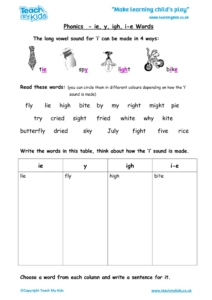
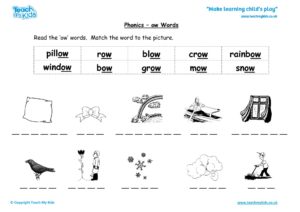
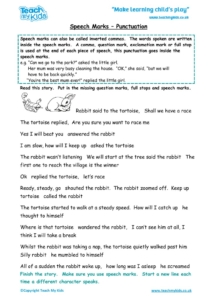
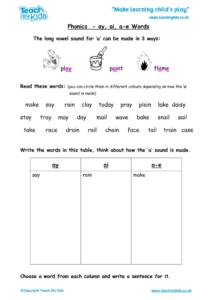
TMKed worksheets work well for these short checks, as you can pick tasks by topic and year group. You can also find maths worksheets grouped and organised specific to year 1 and Year 2 on our sister website Teach MyKids
How Can Teachers and Parents Spot Gaps Early and Close Them?
Small gaps in Year 1 and early Year 2 can grow into bigger blocks later. When you know the KS1 maths milestones, you can spot these gaps sooner.
Common Gaps in KS1 Maths and What They Look Like
Watch for:
Related: How does play help children understand numbers and counting?
- Weak number sense, for example trouble ordering numbers or counting backwards
- Using counting in ones for almost every calculation
- Mixing up multiplication and repeated addition
- Thinking fractions are just “two pieces” instead of equal parts
Number sense means how well a child understands the size of numbers and how they fit together, not only how to say them in order.
Practical Strategies to Address Gaps with Worksheets and Games
You can close gaps with clear, small steps.
- Use focused worksheets on one idea, for example partitioning tens and ones or equal groups
- Pair printed tasks with hands-on tools such as counters, cubes and fraction strips
- Repeat ideas in different ways, for example games, quick-fire questions and word problems
- Use TMKed’s Primary National Curriculum KS1 maths worksheets filtered by topic to match each gap
Working Together: Teacher–Parent Communication
When teachers and parents share the same picture of KS1 maths milestones, children feel better supported.
- Share simple checklists of end of Year 2 maths goals with families
- Send home short, focused practice sheets instead of long packs
- Suggest open questions such as “How did you work that out” or “Can you show me in a different way”
FAQ: Common Questions About KS1 Maths Milestones
What are KS1 maths milestones and why are they important?
KS1 maths milestones are the main maths skills children are expected to secure by the end of Year 2. They guide teaching, help with assessment and give you a clear picture of what “on track” looks like.
How do I know if my child is on track for end of KS1 maths?
Check what your child can do against the areas in this guide, then talk to the class teacher. Ask about strengths, next small steps and which worksheet tasks or games would help at home.
How much should children rely on concrete resources by the end of Year 2?
Children in Year 2 can still use objects and pictures, especially for new ideas. By the end of KS1 they should also explain and solve simple problems without them, using mental methods and jottings.
How often should KS1 children practise maths at home?
Short, regular practice works best. Aim for 5–10 minutes on most days using a mix of quick worksheets, games and real-life tasks such as reading the clock or sharing snacks.
Related: Early Years maths activities: how to turn play into learning
Where can I find reliable, curriculum-aligned KS1 maths worksheets?
You can use TMKed’s printable educational worksheets and workbooks for KS1. They are grouped by topic and match Primary National Curriculum KS1 maths, which helps you pick tasks at the right level.
What Are the Next Steps If a Child Has Not Yet Met KS1 Maths Milestones?
If a child has not yet met KS1 maths milestones in number, calculation, fractions, measurement or geometry, you still have many options. Children grow at different speeds and early, steady help matters more than quick “catch up.”
Next steps:
- Do a simple check using short tasks in each area, for example number lines, word problems and shape questions
- Pick 1 or 2 focus areas, such as number bonds or tens and ones
- Use targeted TMKed worksheets and hands-on activities for daily practice
- Review progress often with the child and share small wins
- Keep teachers, parents and carers talking so support feels joined up
When everyone understands KS1 maths milestones and works together, you give every child a strong base for later maths learning.
Frequently asked questions
What Are the Key KS1 Maths Milestones by the End of Year 2?
By the end of Year 2, end of year 2 maths expectations cover four main strands:
Number and Place Value: What Should Children Understand About Numbers to 100?
By the end of KS1, a child should work confidently with numbers up to at least 100. Place value is the idea that the position of a digit shows its value, for example the 4 in 47 stands for 4 tens.
Addition and Subtraction: How Secure Should Calculation Be?
For secure end of year 2 maths, children need strong number facts and clear methods for adding and taking away. Number bonds are pairs of numbers that add to a target number, such as 7 + 3 = 10.
Multiplication and Division: What Is Expected by the End of KS1?
By the end of Year 2, children should see multiplication as repeated addition and division as sharing or grouping. Repeated addition means adding the same number again and again, such as 5 + 5 + 5 for 3 groups of 5.
Fractions: What Simple Fractions Should Children Recognise?
By the end of KS1, children should recognise simple fractions such as 1/2, 1/3, 1/4, 2/4 and 3/4. A fraction is a way to show equal parts of a whole.
Measurement and Geometry: Which Practical Skills Show Secure Understanding?
Measurement means working with length, mass and capacity using standard units such as cm, m, g, kg, ml and l. Geometry means working with shapes and space.