
Published: 28 December 2025
TL;DR:
Learn how to use maths and English worksheets to build children’s self-esteem and confidence through small wins, clear steps and kind feedback, all in line with the Primary National Curriculum.
You can build your child’s confidence with worksheets by planning lots of small wins, clear steps and kind feedback, so they think “I can do this” in maths and English every day. This steady success builds learning confidence much more than occasional hard tests.
For example, a child who tries to hide their homework or worksheet now saying, “Can I try the next page?” That shift doesn’t come from one special lesson. It comes from many tiny moments where the work feels clear, manageable and worth the effort.
How does building confidence start with small wins?
Building learning confidence starts when children succeed often at tasks that stretch them just a little bit. These repeated wins teach their brain, “When I try, I improve.”
Related: How can I support my child with a home learning routine without overwhelming them?
Each small win in Maths or English moves a child from “I can’t” to “I can.” Over time this becomes “I am a capable learner.” That is how self esteem in primary school grows in a steady way.
Well planned worksheets and workbooks are more than just homework. They give you an easy way to shape tasks so children feel safe to try, can see clear steps and get quick feedback. This works across:
- EYFS (Early Years Foundation Stage): simple counting, mark making, first sounds
- KS1 (Key Stage 1): number bonds, phonics, short sentences
- KS2 (Key Stage 2): written methods, reading, grammar
At every stage the pattern is the same: regular success, safety to have a go and kind feedback. TMKed worksheets follow the Primary National Curriculum for Maths and English, so you can build these small wins into daily lessons or home practice.
What does a confidence-building worksheet look like?
A confidence-building worksheet helps children learn and feel successful while they work. A test-style sheet mainly checks what they already know.
Three simple design ideas make a big difference:
- Clear instructions in short sentences, with an example
- Predictable layout so children know where to look each time
- Gentle steps in difficulty so questions get a bit harder, not suddenly impossible
When a worksheet matches the Primary National Curriculum, children see the same skills and words they meet in class. For example, a KS1 sheet on number bonds to 10 uses the same terms they hear in lessons. This makes the work feel familiar, which helps confidence.
Here is how this might look at different ages:
Related: How does play help children understand numbers and counting?
- EYFS: match sets of spots to numbers to 5 with big, clear pictures
- KS1: add one-digit numbers with number lines printed on the page
- KS2: short times table grids followed by a few word problems with clear steps
How can you structure worksheet tasks for frequent success?
You structure tasks for frequent success by planning an order where most children answer the first few questions correctly, then move up in small steps.
Think of this as “success architecture”. You design the path through the worksheet so success comes early and comes often.
- Start easy: 3–5 warm-up questions that almost every child can do
- Add small steps: change one thing at a time, such as bigger numbers or longer words
- Offer choice: use bronze / silver / gold or 1-star / 2-star / 3-star challenges
Tiered challenges help mixed groups. Children can pick a star level or you can guide them, without anyone feeling like the “bottom group.”
Visible progress trackers also help. You can add tick boxes or a simple progress bar:
[■□□□□□□□□] 1/8
[■■□□□□□□□] 2/8
[■■■■□□□□□] 4/8
Children can see they are moving forward, which is powerful for motivating reluctant learners or pupils with special educational needs.
How do you design maths worksheets that build learning confidence?
You design maths worksheets for building learning confidence by starting with a quick win, using clear models and breaking hard skills into tiny steps.
What is the CPA approach in maths?
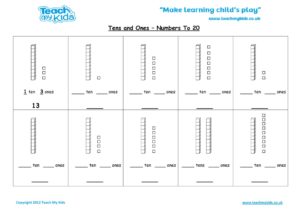
The CPA approach means Concrete, Pictorial, Abstract. Children first use real objects (concrete), then pictures, then numbers and symbols (abstract). This approach appears in Primary National Curriculum guidance because it supports strong maths understanding.
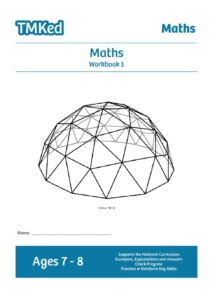
Related: Maths Workbook 1 (7-8 Years)
- Warm-up win: EYFS count 1–5 pictures, KS1 answer 5 number bond facts, KS2 fill in 5 times table facts
- Use CPA: start with cubes or images, then draw bar models, then write number sentences
- Make it playful: add matching games, simple puzzles, or “find the mistake” questions
For a tricky skill like column addition you can:
- Show one worked example step by step
- Give a question with place value grids drawn
- Remove the grid when they are ready
View TMKed workbooks to support self esteem and learning in primary school maths.
How do you design English worksheets that grow self-esteem?
You grow self-esteem with English worksheets by giving children texts and tasks they can read, write and talk about successfully every day.
Confidence in literacy supports every subject because children need to read questions, understand words and write answers.
What is phonics in simple terms?
Phonics is a way of teaching reading where children learn the sounds that letters or groups of letters make, then blend those sounds to read words.
- EYFS and early KS1: sound sorting, matching pictures to simple words, reading short decodable sentences like “Sam sat on the mat”
- KS1 and KS2 SPaG: start with model sentences, then gap-fill, then one or two independent sentences
For reading and vocabulary you can use:
- Short texts with clear picture clues
- Cloze tasks, where children choose missing words from a small word bank
- “Find the word” games, for example “Circle a word that means happy”
Writing worksheets can include sentence stems, such as “I like this story because…” and word banks for adjectives and verbs. This means even reluctant writers finish a piece they can feel proud of.
Related: Maths Workbook 1 (8-9 Years)
What kind of praise and feedback really builds learning confidence?
Praise builds learning confidence when you focus on effort and methods rather than saying a child is “clever.”
What is a growth mindset?
A growth mindset is the belief that you can get better at something through practice, good strategies, and help from others. Growth mindset activities help children see mistakes as chances to learn, not proof that they are “bad” at a subject.
On worksheets you can write comments such as:
- “You kept going when the numbers got bigger.”
- “You used the number line to help you. Good choice.”
- “You checked your spelling with the word bank.”
Add a small reflection box at the end:
- “What felt easy today?”
- “What helped you when it was hard?”
- “What will you try next time?”
You can celebrate small wins in the classroom with stickers, stamps, or stars that point to progress, for example “More questions finished than last week” or “Neater number formation today.” A “have a go” box for tricky questions shows that trying is valued, even if the first answer is not correct.
How can you use TMKed resources for building learning confidence every week?
You use TMKed worksheets and Workbooks to build learning confidence by fitting them into a simple, steady routine at school and at home.
Teachers can plan lessons like this:
- Warm-up win using a quick TMKed worksheet
- Main practice page with tiered questions
- Optional challenge for pupils ready to stretch further
Parents, tutors and child-minders can use one or two workbook pages at home as calm practice, not a test. You can date each page, colour in a small progress bar and sometimes flip back so children can see how their work has changed.
To differentiate you can:
- Choose an easier or harder version of a sheet
- Let pairs solve problems together
- Turn the same page into a timed game for one child and quiet practice for another
TMKed offers maths and English resources for EYFS, KS1, and KS2, so you can start building learning confidence with the next worksheet you print.
FAQ: What else do teachers and parents ask about building learning confidence?
How can I help a child who says “I am rubbish at maths or English”?
Start with tasks you know they can do, even if they seem very easy, and praise each small success. Use growth mindset activities, such as talking about how the brain grows when we practise.
How many questions should be on a worksheet?
For primary pupils, 8–15 questions is often enough. The goal is steady success, not finishing a huge sheet.
Can I use the same worksheet with different levels?
Yes. Ask some children to complete bronze questions only, others to try silver and a few to attempt gold. You can also change how many questions each child answers.
Related: Maths Workbook 2 (7-8 Years)
How often should I use worksheets?
Use them as one part of learning, mixed with talk, games and practical activities. For many classes, short daily worksheets in maths and English work well.
What signs show that learning confidence is improving?
Look for children starting quicker, asking for the next challenge, explaining their methods to others and making fewer negative comments about their own ability.
What are the next steps for building learning confidence with worksheets?
Building learning confidence grows from many small, planned wins in daily maths and English work. When tasks are clear, stepped, and kind, children start to see themselves as learners who can improve.
Use the ideas in this guide to redesign one worksheet for your class or child: add a warm-up win, tiered questions, a progress tracker, and space for effort-based praise. Then explore TMKed’s curriculum-based worksheets and workbooks for EYFS, KS1, and KS2 to keep those small wins coming week after week.
Frequently asked questions
How does building learning confidence start with small wins?
Building learning confidence starts when children succeed often at tasks that stretch them just a little bit. These repeated wins teach their brain, “When I try, I improve.”
What does a confidence-building worksheet look like?
A confidence-building worksheet helps children learn and feel successful while they work. A test-style sheet mainly checks what they already know.
How can you structure worksheet tasks for frequent success?
You structure tasks for frequent success by planning an order where most children answer the first few questions correctly, then move up in small steps.
How do you design maths worksheets that build learning confidence?
You design maths worksheets for building learning confidence by starting with a quick win, using clear models, and breaking hard skills into tiny steps.
What is the CPA approach in maths?
The CPA approach means Concrete, Pictorial, Abstract. Children first use real objects (concrete), then pictures, then numbers and symbols (abstract). This approach appears in Primary National Curriculum guidance because it supports strong maths understanding.
How do you design English worksheets that grow self-esteem?
You grow self-esteem with English worksheets by giving children texts and tasks they can read, write, and talk about successfully every day.
What is phonics in simple terms?
Phonics is a way of teaching reading where children learn the sounds that letters or groups of letters make, then blend those sounds to read words.