Published: 23 April 2026
TL;DR:
Learn how to use picture word mats and vocabulary worksheets for EYFS and KS1 children to build spoken vocabulary, phonics skills and spelling confidence at school and at home. Clear routines for teachers and parents included.
Picture word mats and vocabulary worksheets for EYFS help children see, hear and use new words. When you build them into a short, regular daily routine, children pick up stronger speaking, reading and spelling skills without it feeling heavy or complicated.
Related: How to Use Phonics Worksheets EYFS for Reading & Writing
How can picture and word mats boost vocabulary in EYFS and KS1?
Picture and word mats boost vocabulary because they keep important topic words right in front of children while they talk, read and write. In the Early Years Foundation Stage (EYFS) and Key Stage 1 (KS1), children are expected to build a wide store of words so they can follow stories and write clear sentences.
A picture mat is a page of simple, clear images linked to a theme, such as “farm”, “space” or “traditional tales”. A word mat is a page of written words only. When you put them together, you get a picture–word mat that matches each image with its word. These mats work really well with vocabulary worksheets for EYFS, such as matching, tracing and short sentence sheets that use the same set of words.
TMKed offers ready-to-print, curriculum-linked picture word mats and vocabulary worksheets for EYFS and KS1. You choose a theme, print the mats and linked sheets, then drop them straight into your weekly plans without spending extra time drawing or typing.
What are picture and word mats, and how do they support phonics and spelling?
Picture and word mats support phonics and spelling because children see the image, say the word and notice the letter patterns all at once. Phonics means matching spoken sounds to written letters or groups of letters, like the sound /sh/ in “ship”.
On a farm mat, you might have pictures and words like “cow”, “sheep”, “tractor”, “gate”. On a space mat, you might see “rocket”, “planet”, “star”, “astronaut”. On a traditional tales mat, you might include “castle”, “giant”, “forest”, “cottage”.
Related: How do I support KS1 spelling using phonics and spelling worksheets?
Picture cues help early readers blend sounds. Blending is the skill of pushing sounds together to read a word, for example /c/ /a/ /t/ to read “cat”. A child can look at the picture of a rocket, say the sounds r-o-ck-e-t, then use the picture to check if the word they read makes sense.
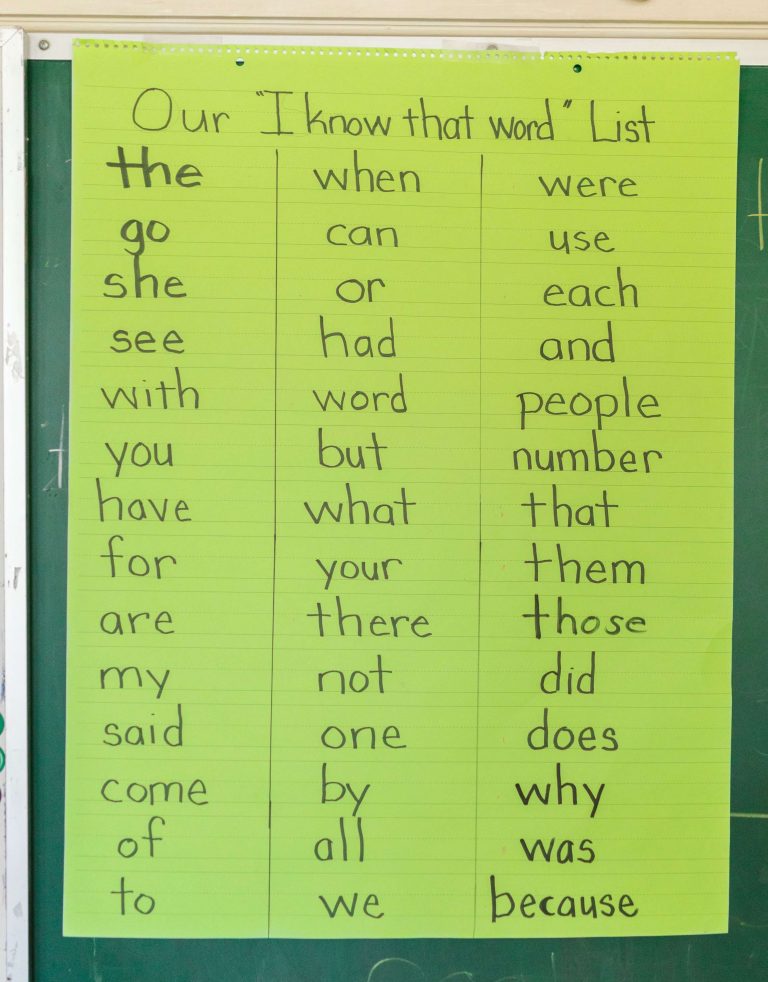
Word mats also show correct spelling over and over again. Children see common letter patterns such as “igh” in “night” or “ea” in “beach”. They also meet common exception words, which are words that don’t follow usual sound rules, such as “the” or “said”. Regular exposure builds visual memory, so children start to know when a word “looks right” when they write it.
Picture → Say the word → Hear the sounds → Spot the letters → Write the word
How do you use vocabulary worksheets for EYFS and mats in daily classroom routines?
You use vocabulary worksheets for EYFS and mats best when they become a short, repeated routine. When the pattern is the same each week, children meet the same words in speaking, reading and writing, and they actually remember them.
For EYFS, you might:
Related: How can I build my child’s confidence in learning using worksheets?
TMKed Literacy Workbooks offers ready-to-use, curriculum-matched EYFS and KS1 worksheets so you can spend your time teaching rather than creating every sheet from scratch.
- Start with a 5-minute carpet session to introduce the themed mat, say each word together and act it out.
- Play a quick oral game, such as “I-spy a word that starts with /s/”.
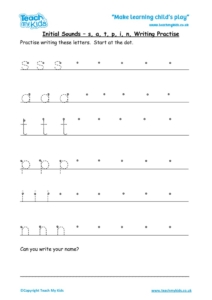
- Move to tables where children complete simple vocabulary worksheets for EYFS, such as matching pictures to words or tracing important words.
For KS1, you can use the same mat in guided reading, writing and spelling. Children keep the mat on the table as a support for KS1 vocabulary extension, so they can choose stronger nouns and adjectives when they write sentences.
What practical activities work best with picture and word mats?
The most effective activities use the same set of words in different ways across the week so children really know them, not just recognise them once.
- Oral language games: Play I-spy, “say it in a sentence”, odd one out or sort words into groups such as animals, places or objects.
- Writing activities: Ask children to label pictures, write captions, then build simple sentences. Later, they can stretch those sentences with adjectives from the mat, for example “the noisy tractor” or “the shiny rocket”.
- Phonics and spelling practice: Sort words by sound or spelling pattern, such as “ai” words and “ee” words. Ask children to find words with a target digraph or trigraph, which means two or three letters that make one sound, such as “sh” or “igh”. Use mats as support during short dictations.
How can teachers organise and manage mats and worksheets efficiently?
Good organisation means you can grab the right mat or worksheet in seconds rather than digging through piles.
- Laminated mats last longer. Store them in topic folders or table baskets labelled “Space”, “Farm”, “Traditional tales”.
- Pair each mat with 2–3 differentiated sheets: one for EYFS, one for lower KS1 and one for higher KS1. TMKed packs already group these levels for you.
- Keep a small set aside for teaching assistants to use in interventions, quick recap sessions or fast-finisher trays.
How can parents and carers use vocabulary worksheets for EYFS at home?
Short, regular practice at home helps children remember new words and feel more confident in class. You don’t need long sessions or special equipment, just a mat and a few simple sheets.
What simple home routines support vocabulary, phonics and spelling?
A light, steady routine works well and is easier to stick to.
Related: What KS2 spelling strategies make weekly routines stick?
- Five-minute daily check: Look at the mat together, name 5–10 pictures, then choose 2–3 new words to use in sentences during the day.
- Weekend worksheet: Complete one vocabulary worksheet for EYFS together, such as matching, tracing or writing one sentence using the mat for support.
- Turn mats into games: Play bingo, snap or a treasure hunt where your child finds objects that match words on the mat. You can also tell a short story using three words from the mat.
How can TMKed resources help busy families?
TMKed resources are ready-to-print, teacher made and follow the Primary National Curriculum for English. You can print a themed pack, such as seasons, animals or transport, and see the same vocabulary in mats, worksheets and simple writing tasks.
Parents often feel they need long, formal lessons at home. In reality, short and consistent use of picture word mats and one or two vocabulary worksheets for EYFS each week leads to better results than rare long sessions.
Take a look at Teach My Kids offering EYFS and KS1 worksheets that are age appropriate and organised in a ready to use way.
How can you adapt picture and word mats for EAL learners and different abilities?
Picture and word mats support children who learn English as an additional language (EAL) because clear images help them link meaning to spoken and written words at the same time.
What strategies support EAL learners using vocabulary worksheets for EYFS and KS1?
When you teach vocabulary to EAL pupils, you help them connect English words to what they already know and say in their first language.
Related: Phonics/ Sound Flashcards
- Invite children to say the word in their first language and then in English. You can add small bilingual labels to copies of the mat.
- Model pronunciation clearly and use choral repetition, where the whole group says the word together while pointing to the picture.
- Begin with listening and pointing tasks such as “Show me the rocket” before moving to speaking, then reading and writing.
- Choose high-frequency topic words that appear in class stories and daily routines, such as “coat”, “lunch”, “playground”.
How can you differentiate for mixed-ability groups?
You can keep one theme for the whole class and change the task, not the topic. That way everyone joins in the same discussions and stories.
- Emerging learners: Focus on naming pictures, matching word to picture and tracing or overwriting words from the mat.
- Confident learners: Ask for synonyms, which are words with similar meanings, and for extended sentences or short paragraphs that use words from more than one mat.
- Use the same TMKed themed mat with different worksheets, so everyone talks about the same topic at a level that suits them.
FAQ: What else do teachers and parents ask about vocabulary worksheets for EYFS?
These short answers cover common questions about picture word mats and vocabulary worksheets for EYFS and KS1.
- How many new words at once? EYFS children usually manage 4–6 focus words per week on top of words they already know.
- How often should I change the mat? Keep a mat for at least two weeks so children meet the words many times in different activities.
- Can mats support SEND and EAL learners? Yes. Clear pictures, repeated words and simple layouts help many children, including those with language or memory needs.
- Do I teach phonics separately? You still teach phonics sessions, but you can use the same words from the mats as examples when you teach new sounds.
- How do TMKed sheets link to the Primary National Curriculum? TMKed vocabulary worksheets for EYFS and KS1 cover word reading, spelling patterns and early writing tasks that match the expectations for each year group.
What are the next steps for using picture and word mats effectively?
Picture word mats and linked worksheets build stronger spoken vocabulary, more secure phonics and more confident early writing when you use them often in short bursts.
Choose one topic that matches your current class theme, such as “seasons” or “animals”. Then set a simple weekly plan:
Related: Phonics Initial Sounds, Workbook 1 (4-6 Years)
- Introduce the mat.
- Play one oral game each day.
- Use 1–2 TMKed vocabulary worksheets for EYFS or KS1 across the week.
You can then add more TMKed English and maths resources around the same topic, building a complete, curriculum-friendly toolkit that keeps children interested while their word banks grow.
Frequently asked questions
How can picture and word mats boost vocabulary in EYFS and KS1?
Picture and word mats boost vocabulary because they keep important topic words right in front of children while they talk, read and write. In the Early Years Foundation Stage (EYFS) and Key Stage 1 (KS1), children are expected to build a wide store of words so they can follow stories and write clear sentences.
What are picture and word mats, and how do they support phonics and spelling?
Picture and word mats support phonics and spelling because children see the image, say the word and notice the letter patterns all at once. Phonics means matching spoken sounds to written letters or groups of letters, like the sound /sh/ in “ship”.
How do you use vocabulary worksheets for EYFS and mats in daily classroom routines?
You use vocabulary worksheets for EYFS and mats best when they become a short, repeated routine. When the pattern is the same each week, children meet the same words in speaking, reading and writing, and they actually remember them.
What practical activities work best with picture and word mats?
The most effective activities use the same set of words in different ways across the week so children really know them, not just recognise them once.
How can teachers organise and manage mats and worksheets efficiently?
Good organisation means you can grab the right mat or worksheet in seconds rather than digging through piles.
How can parents and carers use vocabulary worksheets for EYFS at home?
Short, regular practice at home helps children remember new words and feel more confident in class. You don’t need long sessions or special equipment, just a mat and a few simple sheets.
What simple home routines support vocabulary, phonics and spelling?
A light, steady routine works well and is easier to stick to.